
Encinitas mobile home park residents now face new limits on rent increases after the City Council unanimously passed an emergency ordinance on October 28, 2026, that takes effect right away. The measure restricts annual rent hikes for mobile home park spaces. This action followed recent notices of sharp rent increases at Riviera Mobile Home Park on Vulcan Avenue, where proposed hikes reportedly reached 17% and were described in earlier city coverage as high as 20%. After residents pushed back and public pressure mounted, Laguna Asset Management, which manages Riviera and other parks in several states, sent a letter to residents just before the October 22 council meeting stating the planned increase would instead be 4%.
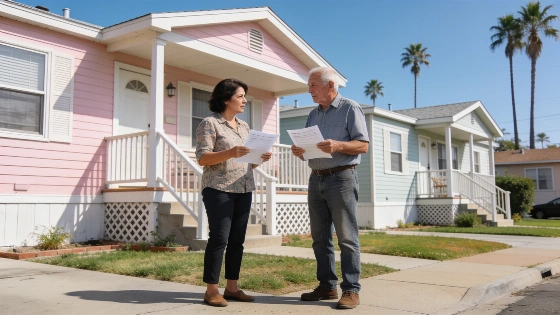
Encinitas has 11 mobile home parks with about 729 spaces. Unlike apartment tenants, mobile home park residents usually own their homes but rent the land underneath, making it tough and costly to move a manufactured home. This setup has left many feeling exposed to sudden rent hikes, especially after some Riviera residents received notices of up to 17 percent increases starting in November from new park owners. The situation underscored the structural risk for residents who could face steep relocation costs if forced to move.
Temporary protections and next steps
The urgency ordinance allows only one rent increase per year, with a cap set at either 4 percent or 75 percent of the San Diego region's annual Consumer Price Index (CPI), whichever is lower. With the reported 2026 area inflation rate at 4.7%, the effective cap for the coming year is 3.525%, subject to ordinance rules and rounding. This formula does not freeze rents but sets an annual maximum while keeping a fair-return petition process for park owners. Owners who believe these limits block them from earning a fair return can petition the city for a higher increase, which would trigger a council hearing, as detailed in the city staff report and reported by The San Diego Union-Tribune and inewsource.
That same night, council members gave initial approval to a second, more detailed temporary ordinance that will replace the urgency measure if it passes a second vote and completes a 30-day waiting period. This ordinance is set to expire on July 30, 2027, unless a permanent ordinance is adopted sooner. Council members and staff said work on a long-term policy would continue with more analysis and community input. City staff repeatedly clarified that calling the proposals "moratoriums" did not mean rents would be frozen at current levels, but that annual increases would be limited under the new formula.
The council's two-track approach separates immediate emergency protection from a more detailed temporary framework meant to bridge the city toward permanent regulation. The urgency measure needed a supermajority vote and took effect immediately, while the second measure follows the standard adoption process, including another vote and a 30-day waiting period. Both measures allow annual increases rather than freezing rents, and both use the same lower-of-4%-or-75%-of-CPI formula. The city plans to use the period before July 30, 2027, to develop a permanent ordinance after more staff analysis and public participation.
Community response and concerns
Heidi Holzworth, a Riviera resident and organizer of the SOS Encinitas advocacy group, described the relief among residents when the council put the item on its agenda. Residents at Riviera wore "SOS" shirts and spoke to the council after getting the proposed double-digit notices, urging the council to support rent control. Meanwhile, representatives for park owners and industry groups raised concerns about the new rules. Ken Johnston, whose family owns Green Valley Mobile Estates, said the ordinances add unnecessary regulatory burdens, noting that he already ties his rents to the CPI. Julie Pauli of the Western Manufactured Housing Communities Association said her group would closely watch the city's actions in the coming months.
The Riviera dispute had already changed the proposed increase before the council set its limits: management's reported initial proposal of up to 17% was cut to 4% just before residents addressed the council. That reduction did not end the policy debate because residents argued the episode showed the need for predictable, citywide safeguards. The temporary ordinance now covers all Encinitas mobile home parks, not just Riviera. A permanent framework is still unresolved and will be shaped through further council discussions and community input.
Encinitas is not the only city in the region to address tenant protections. As reported earlier, San Diego officials have also considered changes to rental enforcement policies in response to tenant concerns.
City staff and council members said work on a permanent ordinance will start early next year, with the possibility that final regulations may differ from the temporary measures now in place. The Encinitas action is part of a broader California policy challenge created when manufactured-home ownership and land tenancy are separated, requiring local governments to balance residents’ limited mobility and exposure to land-rent shocks against park owners’ claims that rent limits may affect operating costs, investment, or a legally sufficient return. The Encinitas ordinance addresses that conflict through a numerical cap plus an individualized petition and hearing process rather than an absolute freeze, as reported by The San Diego Union-Tribune.