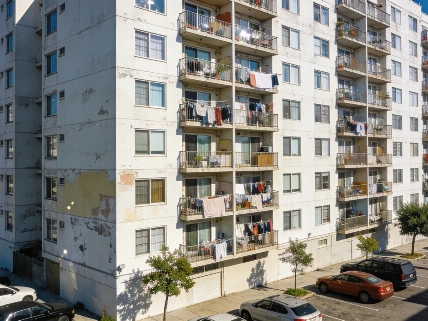

Eviction notices and rent hikes have put San Francisco's rental market under pressure, leading city officials to roll out new legal protections for tenants. On October 29, Mayor Daniel Lurie signed two ordinances that address eviction procedures and rental cost transparency, responding to what he called a "rent emergency."
The most notable change shifts when landlords can start eviction proceedings for unpaid rent. Supervisor Jackie Fielder's ordinance blocks landlords from issuing an eviction notice for non-payment unless a tenant owes more than one month of "fair market rent" as set by the U.S. Department of Housing and Urban Development (HUD). For a two-bedroom in San Francisco, that threshold is $3,697. This rule applies regardless of the tenant's actual rent. If a tenant owes less than the HUD-calculated amount for their unit size, eviction proceedings cannot begin. Still, tenants must pay rent, and landlords can recover unpaid amounts once the threshold is crossed. San Francisco's eviction-control system already includes local rules on just-cause evictions, notice requirements, and tenant defenses. Any new ordinance must align with California's state-law procedures for three-day notices to pay rent or quit, along with local limits on eviction for nonpayment.
Rental cost transparency and new lease requirements
The second ordinance, introduced by Supervisor Bilal Mahmood, requires landlords to display the total monthly cost of renting a unit-including all ongoing fees-in both online listings and lease agreements. The "Total Estimated Monthly Cost" must appear in the same font size as the base rent, ending the practice of hiding extra charges in fine print. The rule also requires that any additional fees be itemized in the lease. If a fee varies, landlords must use the average cost from the previous year. If a landlord tries to charge a fee not listed in the lease or online listing, tenants get added protection against eviction for non-payment of that fee, provided they can show the omission. The reach of this requirement, including whether it covers all rental housing or only units under the local Rent Ordinance, and which fees count, will depend on the ordinance's final text and any city guidance.
Legal experts point out that documentation is key for tenants who want to use these new rights. Lisa Kye Young Kim of Bay Area Legal Aid urges renters to keep copies of their lease agreements and online listings, since these documents may be needed if disputes come up. Molly Goldberg, director of the San Francisco Anti-Displacement Coalition, said the new eviction threshold "creates more time for people to do the problem-solving that they need to do," though the benefit may depend on a tenant's rent and situation.
Eviction trends and tenant strategies
San Francisco landlords filed 1,488 eviction notices in the twelve months before last February, the highest annual number since before the pandemic. About a quarter were for non-payment of rent. The city's AI-driven economic boom has pushed rents higher, making competition for units tougher and exposing renters to new fees and scams. As previously reported earlier, these pressures have fueled a rise in eviction cases and prompted legislative action.
Tenant advocates and legal professionals advise renters to communicate early with landlords if they expect trouble making payments. Randy Shaw of the Tenderloin Housing Clinic notes that open communication can sometimes lead to arrangements that avoid eviction, especially during temporary hardship or job loss. If unpaid rent goes beyond the new threshold, landlords can still pursue eviction in court, which can make it harder for tenants to find housing later.
San Francisco still offers one-time emergency rental assistance for eligible tenants, a program started during the COVID-19 pandemic and available to those who meet specific income criteria.