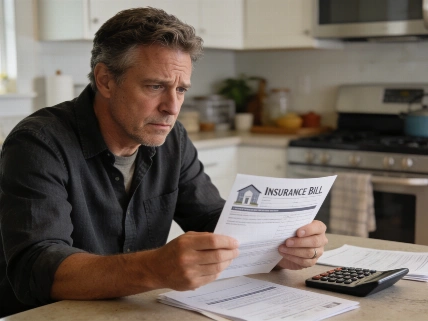
US home insurance premiums surge far above global average in 2025
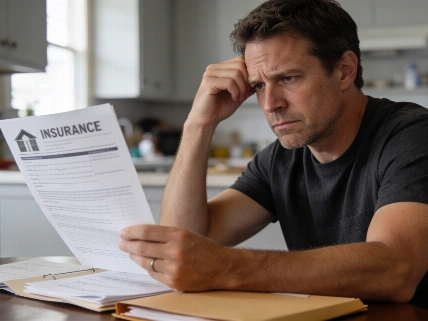
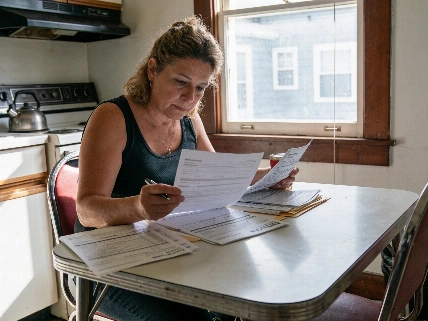
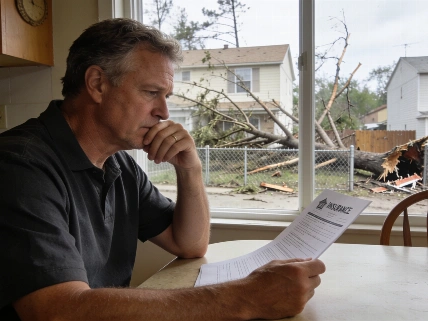
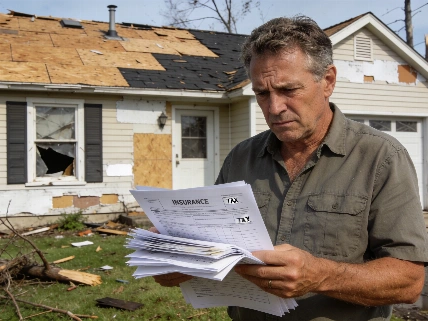
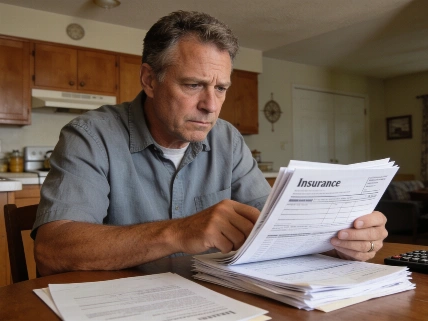
Homeowners in the United States faced an 8.2 percent jump in home insurance premiums in 2025, nearly quadrupling the median increase seen across 27 OECD countries.

Homeowners in the United States faced an 8.2 percent jump in home insurance premiums in 2025, nearly quadrupling the median increase seen across 27 OECD countries.
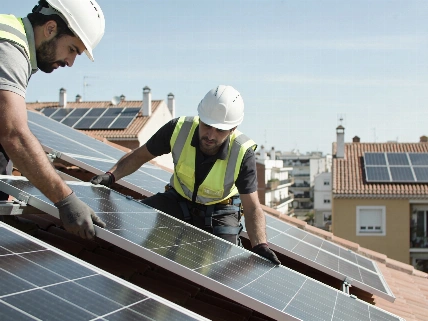
A new international rooftop solar initiative seeks to double the number of homes with solar panels worldwide by 2030, but its success depends on subsidies and major grid upgrades.
Governor-elect Xavier Becerra's pledge to freeze utility bills and home insurance premiums in California has sparked debate over funding, regulatory approval, and the influence of utility companies.
The US economy posted a 3.4 percent annual growth rate in the third quarter of 2026, even as inflation and trade deficits remained elevated and Phoenix housing prices lagged behind national trends.
California's next insurance commissioner Jane Kim plans to pursue profit caps for home and auto insurers as part of a broader push to address rising premiums.
Severe storms, wildfires, and floods are driving up home insurance costs for households across the United States as insurers face higher reinsurance expenses and changing coverage rules.
A new Berkeley study finds that California's progressive rules on building and insurance often raise essential costs for households with less to spend.
New government data shows consumer prices increased in October, challenging President Trump's repeated statements that inflation has been resolved.
U.S. consumer prices rose 0.4% in October as shelter and food costs climbed while energy price growth slowed.
Governor-elect Xavier Becerra is preparing a proposal to halt increases in utility bills and home insurance premiums, a move that could put him at odds with major industry players and regulators.
San Francisco is seeing a dramatic rise in eviction filings and rent hikes as the city's AI-fueled economic boom collides with a persistent housing crisis, prompting new tenant protections and legislative action.
Utah has overtaken Florida and California with the highest share of homeowners insurance policies not renewed in 2025, as insurers respond to natural disaster risks and rising rebuilding costs.
As California voters prepare to choose a new governor, Xavier Becerra and Steve Hilton present sharply different strategies to address rising living expenses across the state.
Santa Monica has revised its rental assistance program, making more low-income seniors and affordable housing residents eligible and restoring aid to 29 previously rejected households.
US consumer prices rose 3.6 percent in September compared to last year, with higher gas and service costs fueling persistent inflation ahead of the 2026 midterm elections.
A 2026 survey shows that while experts link climate change to higher home insurance costs, most homeowners remain unsure or unconvinced about the connection.
At the Socialism 2026 conference in Chicago, Americans for Prosperity's Kent Strang observed that while critics often mock socialist organizers, their policy proposals respond to real concerns about rising housing and healthcare costs.
Homeowners in two thirds of US counties are paying more for insurance than for property taxes as climate-driven disasters push premiums higher and threaten local budgets.
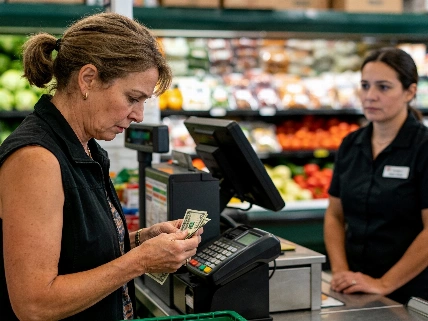
Despite President Donald Trump’s assurances of a 'golden age' for the U.S. economy, many voters report struggling with increased costs for essentials such as fuel, groceries, and housing, raising doubts about his campaign promises ahead of the midterm elections.
A decade of rising insurance costs has pushed average homeowner premiums above property taxes in two thirds of US counties, with the Southeast facing the steepest increases.
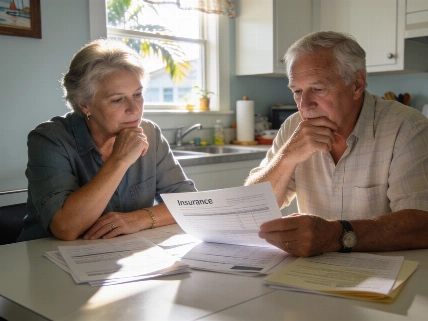
A retired couple in Florida’s Sarasota-Bradenton region may need nearly $78,000 a year to cover living expenses, with homeowners insurance and healthcare making up a major share of the budget.
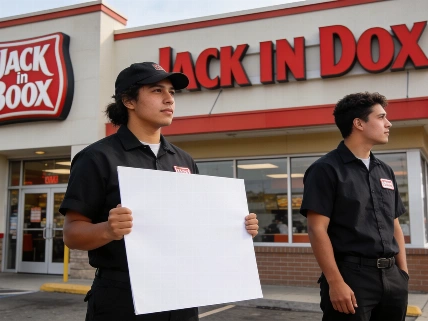
A plan to raise Oakland’s minimum wage to thirty dollars an hour has advanced to the city council, as fast-food workers in Alameda protest alleged wage theft and delayed pay.