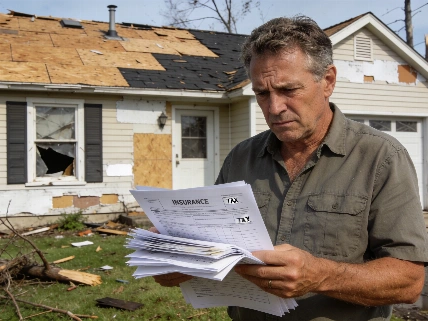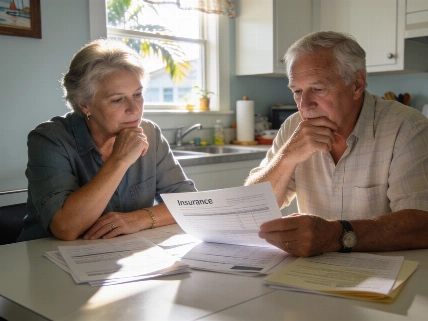
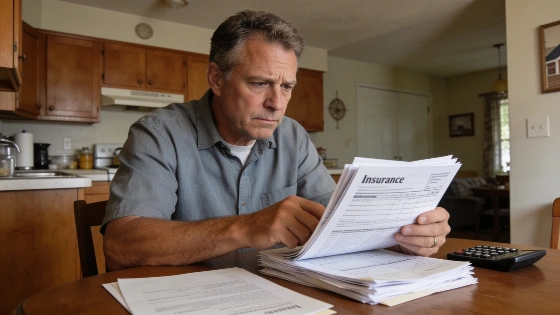
New research from Bloomberg Intelligence shows that in most US counties, homeowners now pay more for insurance than for property taxes. As of October 2026, average homeowners-insurance premiums topped average property-tax bills in about two-thirds of US counties. The data reveals insurance premiums have jumped 45 percent after inflation over the past decade, with the average annual premium now 14 percent higher than the typical property tax bill. Bloomberg Intelligence analyst Andrew John Stevenson put the average annual "climate" insurance premium at $3,160, while property taxes averaged $2,423. In the Southeast, insurance costs run between two and a half and four times the amount paid in taxes, reflecting the region's high exposure to hurricanes and severe storms. This insurance-tax gap stands out most in areas where low property taxes meet high disaster risk, especially in Southern states.
Nebraska saw premiums climb 79 percent over the decade, the largest increase in the study. When weather-related auto insurance is included, insurance costs outpace property taxes in 75 percent of counties nationwide. The combined climate-related insurance burden, which covers both homeowners and weather-related auto coverage, widened the average insurance-versus-tax gap from 14% to 30%. In some Southeastern and Plains counties, this combined burden reached several multiples of property taxes, while high-tax areas in the Northeast and West showed a smaller gap. The study notes that hidden homeownership costs, such as maintenance and services, have reached $16,566 per year on average, up nearly 32 percent in five years, based on estimates from Zillow and Thumbtack. These numbers reflect county-level averages and do not match every homeowner's bill.
Market pressures and affordability
Federal disaster aid is moving toward a 50-50 cost split with states, showing the growing financial strain of climate-related risks. A FEMA-related proposal discussed in October 2026 would cut the starting federal share of eligible Public Assistance disaster-recovery costs from the usual 75% to 50%, which could leave states and local governments with a much larger share of recovery expenses. For example, a disaster with $100 million in eligible recovery costs could leave states and local governments responsible for $50 million instead of $25 million. The proposal could allow the federal share to rise to 75% based on performance and other criteria, but as of late 2026, it was still under review and not finalized. Local officials have warned that a bigger state and local burden could push property or sales taxes higher, adding to the broader housing-cost squeeze. This shift in disaster policy makes pre-disaster mitigation, fiscal reserves, insurance availability, and local tax capacity more important for community recovery.
Existing-home sales have stayed about one third below pre-2020 levels for three years, even as prices hit new highs. Most current mortgages have rates below 5 percent, and a homeowner with a 3 percent loan on a $400,000 property pays about $840 less per month than someone with a 6.5 percent rate. Research from the Federal Housing Finance Agency found that each one-percentage-point increase in market rates compared to a homeowner’s existing rate cut the likelihood of sale by about 18%. The same research estimated that mortgage-rate lock-in stopped roughly 1.33 million otherwise expected home sales between mid-2022 and the end of 2023. The supply reduction tied to lock-in was estimated to push home prices up about 5.7%, partly offsetting the roughly 3.3% downward price pressure from higher mortgage rates. Fannie Mae and the FHFA estimate that between one and one and a half million home sales are delayed each year because homeowners hold onto low-rate mortgages.
The median age of first-time buyers has reached 40. Cash purchases now make up about a third of all home sales. In 2023, residential mobility in the US dropped to its lowest point since 1948.
Insurance and disaster risk
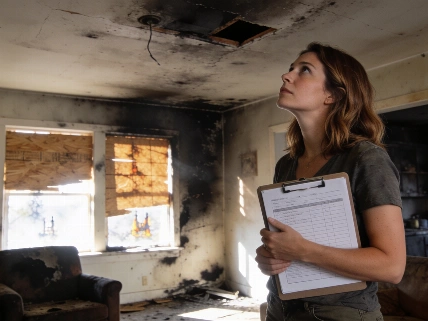
Premium increases have hit hardest in regions prone to severe weather. The Southeast faces the highest insurance-to-tax ratios, with insurance costs in some counties reaching between 2.5 and four times typical property-tax bills, according to Bloomberg. This regional pattern reflects insurers repricing expected catastrophe losses and reinsurance costs, while local property-tax burdens stay relatively low in many Southern areas. Federal and state governments are adjusting disaster aid formulas to address rising costs. These changes come as homeowners deal with higher out-of-pocket expenses and shifting market dynamics. High insurance costs can slow home sales and threaten the property-tax base if buyers avoid affected counties or owners sell under financial pressure. Insurance availability itself can become a market constraint when insurers restrict new business, raise deductibles, or pull out of catastrophe-prone areas, further affecting affordability and the economic outlook for homeownership.