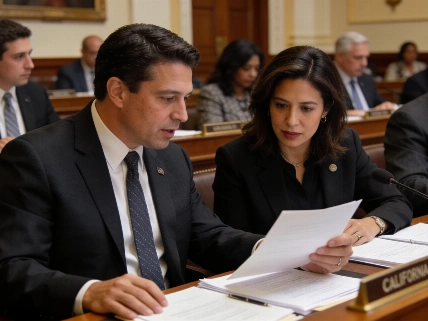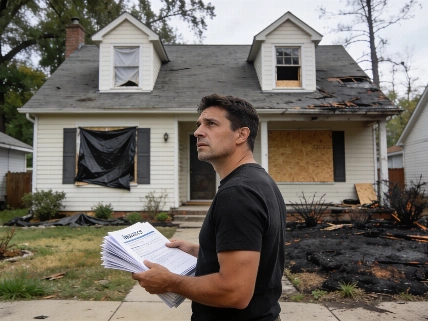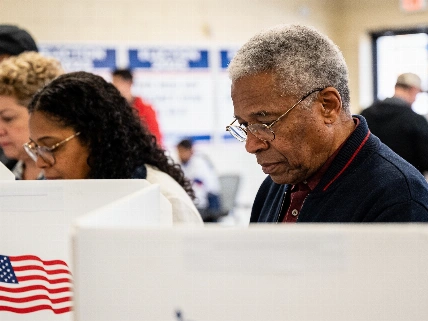
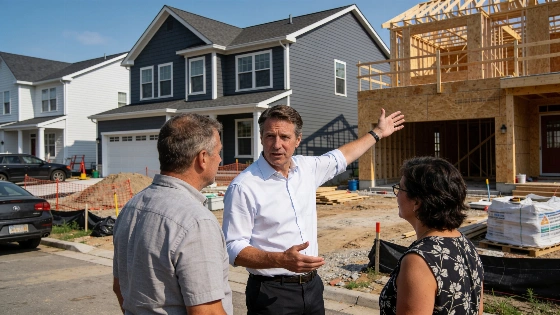
Housing affordability took center stage in the 2026 gubernatorial races, with all 36 contests settled by mid-November and both parties promising action on rising home costs. The clearest point of agreement among the winners is a push to accelerate permitting for new housing, now supported by more than half of the incoming governors. A syndicated election analysis found that 20 of the 36 governors-elect-15 Democrats and five Republicans-publicly backed faster permitting for new housing. The same analysis observed that "most of the 36 winners, Democrats and Republicans alike, say the same thing: it takes too long and costs too much to build a home."
Twenty of the 36 governors-elect, including 15 Democrats and five Republicans, have pledged to move permitting faster. Some, such as California's Xavier Becerra, are proposing strict deadlines for state reviews-his plan sets a 180-day timeline for decisions. In Oregon, Tina Kotek's second-term agenda includes enforceable statewide permitting deadlines, while New Mexico's Deb Haaland has called for time limits on housing approvals. Incumbents like New Hampshire's Kelly Ayotte point to existing rules, such as the 60-day permit action window already in state law. Independent housing-policy analysis has flagged local zoning and permitting reform as a potentially important lever for increasing housing supply, since reforms can cut development barriers and affect project costs and delivery schedules without direct public construction spending. Still, the analysis points out that permitting reform alone does not close affordability gaps, since land, infrastructure, financing, labor, materials, and local opposition also shape final prices and rents.
Policy Divides and Legislative Action
Both parties want to cut red tape, but their priorities split beyond permitting. Many Republican governors-elect focus on property tax relief, especially for seniors. Alabama's Tommy Tuberville wants to freeze property tax increases for older homeowners, and Florida's Byron Donalds plans to use a state commission to pursue repeal of homestead property taxes, with targeted relief if full repeal proves unaffordable. Arkansas has already raised its homestead tax credit to $675.
Florida voters approved Amendment 3 by about 62% on November 3, 2026, raising the homestead exemption for nonschool-district property taxes to $150,000 in 2027 and $250,000 in 2028, with inflation indexing starting in 2029. This measure, presented as homeowner relief, will take effect January 1, 2027, and could change how local governments finance and deliver services. In Kansas, Governor-elect Cindy Holscher proposed lowering the residential property-tax assessment rate from 11.5% to 9% and expanding exemptions for seniors and disabled veterans, citing data that average taxable assessed home values had climbed more during the previous five years than during the prior 15 years combined. Her Republican opponent, Ty Masterson, pushed a "Kansas Homeowners Bill of Rights" to cap rapid increases and restrain government spending. In Ohio, Amy Acton has proposed raising the income cap for the homestead exemption from $41,000 to $50,000 and providing rebates to homeowners facing steep tax hikes. Texas' Gina Hinojosa has set a goal of eliminating residential property taxes.
Renter Protections and Investor Restrictions
Democratic governors-elect are rolling out proposals to shield tenants from algorithmic rent-setting and high fees. Four winners-Phil Weiser, Amy Klobuchar, Aaron Ford, and Deb Haaland-would ban algorithmic rent-setting tools. Hinojosa in Texas has promised to hold landlords accountable for AI-driven overcharging. Other plans include capping application fees, sealing eviction records, and limiting security deposits or late fees. Rent control remains rare, with only Becerra supporting local adoption in California.
Institutional investors are under new scrutiny from Democratic governors-elect. Eight have proposed limits on large-scale home purchases by private equity and investment firms. Michigan's Jocelyn Benson wants a 100-day first-look window for residents before investors can buy homes. Nevada's Aaron Ford supports a cap on Wall Street purchases of single-family homes, and Hinojosa authored a bill to restrict institutional buyers during housing shortages. Becerra would require disclosure and public registries for bulk purchases. These state-level proposals would work alongside the federal ROAD Act, which restricts large investors starting January 2027.
Funding, Manufactured Housing, and Insurance
Several governors-elect are seeking major funding for housing construction and down payment assistance. Pennsylvania's Josh Shapiro has proposed a $1 billion infrastructure fund, while Rhode Island's Helena Foulkes wants to dedicate revenue from a millionaire tax to build 20,000 units. Maine's Hannah Pingree has pledged $100 million annually for new and preserved homes. Down payment aid is a priority for ten winners, with targeted support for first-time buyers, essential workers, and veterans.
Manufactured and modular homes are gaining ground as a solution for faster, lower-cost construction. Eleven governors-elect, including Hochul in New York and Foulkes in Rhode Island, have included factory-built housing in their platforms. Alaska's Jonathan Kreiss-Tomkins wants to remove regulatory barriers for manufactured and modular homes, including trailers and tiny homes.
In the South, insurance costs are drawing more attention. Tuberville in Alabama plans to expand the Strengthen Alabama Homes program and attract more insurers to coastal areas. Georgia's Bottoms would repeal the homeowners insurance premium tax, and Donalds in Florida is calling for tort reform and expanded home-hardening programs for older properties. South Carolina's Alan Wilson wants regular audits of insurance rate increases and public reporting by the Department of Insurance.
Implementation and Political Hurdles
As new governors get ready to take office, the first test of these housing agendas will come when legislatures convene in January. Some states face divided government, such as Vermont, where Phil Scott will work with a Democratic supermajority, and Kansas, where Holscher will work with Republican majorities but without a GOP supermajority in the House. Ballot measures and commissions will shape the path forward in states like Florida and Rhode Island.
The Washington State Department of Commerce reports that permitting reform efforts were underway before the 2026 election cycle. On January 15, 2025, Governor Bob Ferguson signed an executive order directing state agencies to review regulations affecting housing, permitting, and construction, which led to the creation of the Washington Accelerator for Residential Production (WARP). The department stated that WARP aims to "speed up housing production, lower costs and remove unnecessary regulations." The first report was delivered to the Legislature in November 2026, with the initiative still in its framework and options-development phase. More information is available from the Washington State Department of Commerce.
For a broader look at how housing policy gained momentum after the 2026 midterms, see this reported earlier.