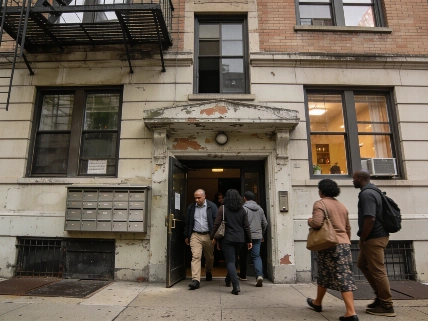
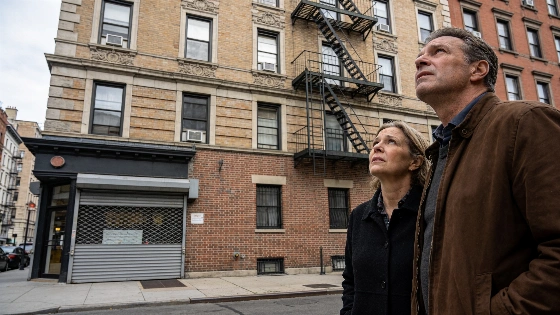
Five of six apartments in Lynette and Richard Ciner's Manhattan building rent for less than $1,000 a month, with one unit bringing in just $200. The building's total annual rental income is $61,800, while yearly expenses reach $127,000. The Ciners say these numbers force them to dip into their retirement savings to keep the property running.
The Ciners inherited the building, which has stayed in Lynette's family for over 80 years. Her grandparents bought it in 1940 after running a haberdashery there. Over time, the storefront has seen a diner and a bookstore, along with a camera shop and a record store. The family moved to Florida in the late 1970s as crime increased but held onto the property through a long-term lease. Even after moving to Florida and then California, they kept investing in the building's upkeep as costs climbed.
Rent stabilization law and mounting costs
New York's rent stabilization law limits how much landlords can raise rents, even as taxes and maintenance costs go up. The Ciners' building needs over $1 million in repairs, but the law would allow only $3,214 more in rent per year-less than $268 a month for all six units. Private lenders and the city's Department of Housing Preservation and Development have refused to accept the building as collateral, pointing to its low value under current rent rules. The only steady income comes from Ampersand, the bar in the storefront.
According to the New York City Rent Guidelines Board, buildings with stabilized units saw a 5.3% increase in owners' operating costs and a 6.2% increase in net operating income between 2023 and 2024. The Board reported that, on average, stabilized apartments in New York City generated $1,890 per unit per month in income, with operating costs averaging $1,203 and net operating income at $688 per unit per month. These figures reflect citywide averages and do not represent the finances of individual properties such as the Ciners' building.
Richard Ciner calls the situation a financial trap set by city policy. "Our biggest problem is the city," he says. "It's just so unfair what they're doing to us. They're preventing us from operating a normal business."
Legal fight reaches Supreme Court
In 2022, the Ciners filed suit, arguing that the rent restrictions amount to an unconstitutional taking of property without just compensation. The court dismissed their case, stating they had not applied for hardship exemptions-exemptions the Ciners say they do not qualify for and that would not cover their losses. The couple, represented by Pacific Legal Foundation, is now petitioning the U.S. Supreme Court to allow property owners to challenge such laws without first pursuing administrative remedies that offer no meaningful relief.
Pacific Legal Foundation attorney Jon Houghton argues that courts should not block property owners from having their constitutional claims heard. "PLF has long fought the misuse of 'ripeness' tactics that block court access to takings claims and the Supreme Court has repeatedly made clear that such claims deserve their day in court. It's time to make that promise real for the Ciners and all citizens."
Although the dispute concerns a property in New York, the legal question extends beyond the state. The case concerns whether property owners must first pursue administrative remedies before bringing constitutional takings claims in court. A Supreme Court decision could therefore affect similar challenges to rent regulations in other jurisdictions, including California.
Broader context and ongoing debate
The Ciners' case shows the tension between rent stabilization policies and property owners' rights. Similar legal battles have appeared in other cities, as seen in a recent report on a Seattle landlord's lawsuit over rental regulations. In New York, the Ciners say the law has left them with no viable path to maintain their family's legacy or recover their investment. "I just felt alone," Lynette Ciner says. "I really thought the city would be there for us. I thought there'd be someone there for us. But I realized there's really no one to help landlords."
The Supreme Court has not yet decided whether to hear the Ciners' petition.