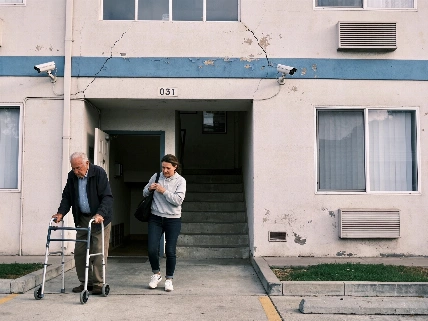
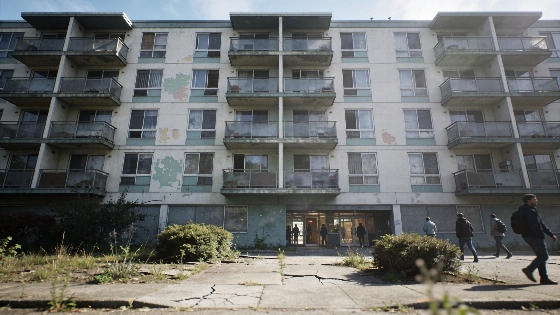
Seattle's rental regulations face renewed legal scrutiny after the Washington Court of Appeals decided GRE Downtowner LLC, which owns the Addison on Fourth apartment complex, can move ahead with claims that city ordinances stripped away its property rights. The 254-unit building in Seattle’s International District operates under the federal Low-Income Housing Tax Credit program and was built to serve lower-income residents. Court filings show the property generated positive cash flow from 2015 through 2018, but rent collections dropped from 93.9% in 2018 to 44.1% in 2023. This led to nearly $5.8 million in operating losses and receivership after a mortgage default. The investment in the property was described as about $39 million. GRE Downtowner blamed the financial decline on a series of city ordinances passed mainly between 2018 and 2021, such as the Fair Chance Housing Ordinance, the Roommate Ordinance, winter eviction restrictions, COVID-era eviction rules, six-month rent-increase notice requirements, and mandatory relocation assistance after qualifying rent increases.
GRE Downtowner claims these ordinances—including rules requiring landlords to accept more occupants without consent, restrictions on criminal-background checks, limits on evictions, and mandatory relocation assistance—made the investment unsustainable. The lawsuit says the regulations "destroyed" the building’s value, according to The Seattle Times. The Fair Chance Housing Ordinance blocks landlords from using an applicant’s criminal background to deny housing. The Roommate Ordinance extends occupancy rights to certain immediate family members and other residents not named on the lease, which GRE says interferes with its right to exclude occupants. Other challenged rules included a winter eviction ban, the COVID-19 eviction moratorium, six months’ notice for rent increases, and relocation payments for tenants after rent increases of 10% or more.
Legal and policy implications
On October 26, 2026, Division One of the Washington State Court of Appeals reversed the dismissal of GRE Downtowner’s claims, letting the case proceed. Judge David S. Mann wrote the opinion, finding GRE had pleaded enough facts to support both a partial regulatory-taking theory under the three-factor Penn Central framework and a possible per se taking involving the city’s roommate ordinance. The court noted the case was at the pleading stage and did not decide if Seattle owed compensation or enter a final judgment. The decision also rejected the idea that participating in a heavily regulated housing market automatically makes an owner’s investment expectations unreasonable. It treated the partial-taking claim as timely under Washington’s six-year limitations period in RCW 4.16.040(3). The court stated, "Because GRE Downtowner pleaded sufficient facts to support its claims, we reverse." (Laws.com).
The appellate court used the Penn Central regulatory-takings framework, which looks at economic impact, interference with investment-backed expectations, and the character of the government action. The ruling finds GRE’s allegations were enough to show a potentially severe economic impact and plausible interference with reasonable expectations, though more facts are needed on the character and distribution of the regulatory burden. The decision also rejected dismissal based only on the idea that a landlord in a regulated housing sector could not expect stable regulatory conditions (Hagens Berman legal analysis).
The ruling sends GRE’s claims back to the lower court for further proceedings and possibly discovery, but does not award damages or strike down Seattle’s ordinances. The appellate decision keeps the city’s ability to defend the regulations while letting GRE try to prove that their combined effects caused a compensable taking. The outcome could affect other disputes over landlord-tenant regulations because the court allowed a cumulative-effects theory to move forward instead of looking at each ordinance separately (CaseLawWire). Any compensation, policy change in Seattle, or broader precedent will depend on later factual findings and a final judgment.
Sean Flynn, executive director of the Rental Housing Association of Washington and a Seattle-based real estate attorney, called the legislative changes a "toxic cocktail" that undermined affordable housing projects. Flynn argued these policies discourage private investment, warning, "No one will invest to build more housing if they believe that the government can come in and effectuate a taking – to take the property out from under them – and they have no legal recourse."
Seattle is one of several major cities that have passed strict rental regulations in recent years. San Francisco, New York City, Portland, and Philadelphia have adopted measures expanding tenant protections, including limits on evictions and restrictions on using criminal histories in tenant screening. These policies have sparked debate over their effects on housing affordability and investment. In Los Angeles, mayoral decisions on tenant protections and housing development have also shaped the landscape for renters, as reported earlier.
The Seattle City Attorney's Office is reviewing the appellate ruling and has not yet decided whether to appeal. GRE Downtowner's lawsuit seeks compensation for losses allegedly caused by the city's ordinances, arguing that the combined effect of the regulations went beyond permissible government action and resulted in a taking of private property.