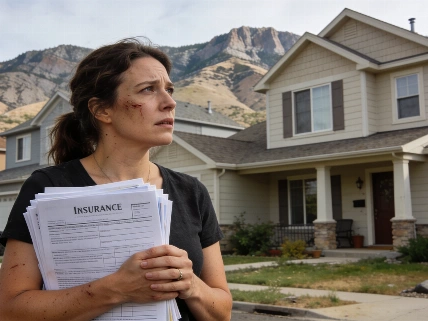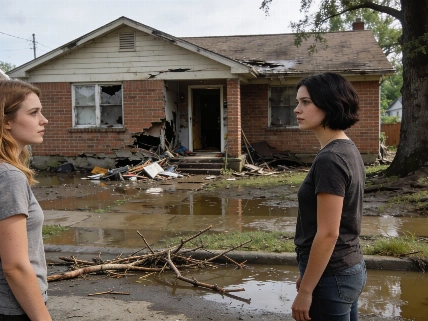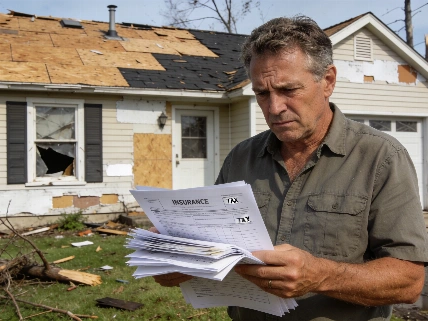

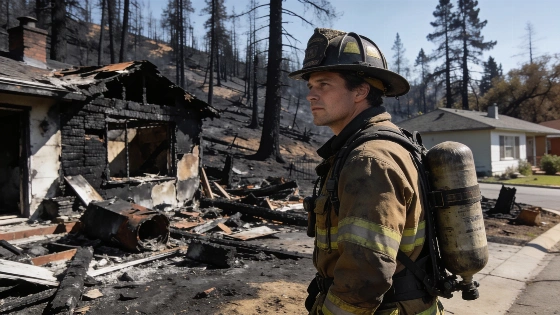
Colorado saw hundreds of homes and Spokane, Washington, lost more than 800 during the 2026 wildfire season as fast-moving fires swept through neighborhoods and forced mass evacuations. The season started with record-low mountain snowpack and early snowmelt, which set up widespread fire activity before the hottest summer on record dried out vegetation and intensified drought across much of the West. By October 25, the 2026 fire year had reached 66,373 fires and 9,059,044 acres burned nationwide, about 133% and 141% of the respective 10-year averages for that date, according to a U.S. wildfire outlook (Property Guardian).
By late October, Colorado alone had seen over 318,000 acres burned-almost double its annual average since 2000. Nationally, the area burned was also well above average, and firefighting resources were stretched to their limits for 48 consecutive days at the highest preparedness level, far exceeding the 10-year average.
Rising risk and changing conditions
Fire plays a role in many ecosystems, but a century of suppression has let dry vegetation build up, raising the chance for large, destructive blazes. Human-driven climate change has sped up the drying of soils and plants, nearly doubling the area burned in western US forests between 1984 and 2015 compared to a world without these changes. Meanwhile, more people now live in or near wildland areas, which increases the risk that fires will reach homes and communities. Human activities such as power lines and debris burning now spark fires year-round, pushing the fire season beyond the traditional summer window.
These factors have led to a nearly fourfold increase in the annual area burned in the western United States since 2000. Fast-growing fires-those burning more than 4,000 acres in a single day-made up a small share of all fires but caused most of the structures destroyed and firefighting costs, according to a 2024 study using satellite imagery.
Development and vulnerability
From 1945 to 2015, development in the country's highest wildfire-risk regions expanded tenfold, putting more people and buildings in danger. Once embers reach a neighborhood, fire can quickly move from building to building. A comprehensive study published in Nature Communications in November 2026 projects that, if current trends continue and no new adaptation measures are taken, wildfire-related structural losses in the contiguous United States could nearly triple by mid-century. The researchers estimate that between 133,200 and 449,100 buildings could be damaged or destroyed between 2024 and 2060, with an average estimate of about 300,000 structures. For the decade 2051-2060, the projected risk is 3.2 times the 2011-2020 level under the HadGEM2-ES climate model, 2.27 times higher under MRI, and 1.85 times higher under CNRM. Annual losses are estimated at 700-2,350 structures per million people by mid-century (University of Colorado Boulder).
The projected expansion of wildfire risk is not limited to the traditional high-risk West. The study finds that the eastern United States could see nearly a sixfold increase in structural fire risk under some climate outlooks, while the central United States could see increases exceeding fivefold. The central U.S. is described as having increasing structural risk in 84.1% of census tracts, showing a growing gap between where communities thought it was safe to build and where climate and fire conditions are heading. About one-third of the western neighborhoods facing the greatest future risk are low-income communities, where residents may struggle to afford protective measures, keep insurance, or recover financially after a fire. The research also notes that projected risk overlaps with existing poverty and housing burdens in parts of the West, suggesting that future losses could put disproportionate costs on households with fewer resources for relocation, hardening, or rebuilding.
Affordable strategies for resilience
Even with the scale of the threat, making homes less vulnerable to wildfire does not always require major expense. Class A fire-resistant roofs and ember-resistant vents can lower the chance of ignition, and removing flammable debris and vegetation from around buildings reduces the risk of fire spreading to homes. Community programs are available to help low-income homeowners reduce their risk. Research found that meeting Colorado's two wildfire protection levels increased minimum construction costs by about 0.6% and 4.2%, and access to lower-cost materials and homeowner education can further improve affordability.
Wildfire-resilient construction and property management lower the risk but do not remove it. Prescribed burning and forest-thinning can reduce fuels before flames reach communities, and utilities can strengthen infrastructure to reduce ignition risks. Insurance companies may reward measurable risk reduction, which helps sustain coverage in communities working to become safer. The effectiveness of these measures depends on how they reinforce each other and are tailored to the specific needs of each community. The study points out that climate change, forest and vegetation-management practices, and construction decisions together shape future losses, and that adaptation and land-use choices remain critical policy levers for reducing risk.
This article is based on research by Virginia Iglesias, Earth Lab director at the University of Colorado Boulder, and was originally published by The Conversation under a Creative Commons license. Additional data and projections are drawn from Nature Communications and University of Colorado Boulder.
For further reading, see the original coverage at UPI.