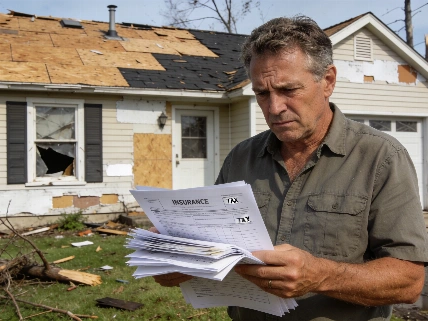

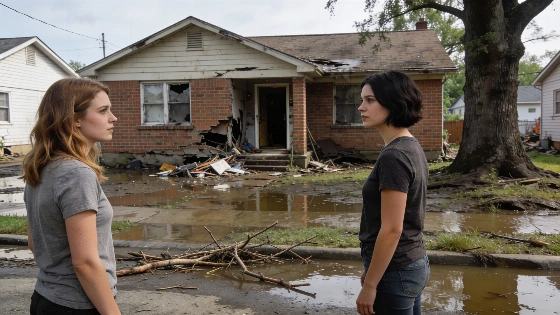
Sierra Isley and her girlfriend Jamie nearly bought a brick house in Asheville, North Carolina, with help from their parents. A legal snag forced them to back out at the last minute. Just weeks later, Hurricane Helene hit, flooding their apartment but sparing them the destruction that many neighbors faced.
Homeownership has long been seen as a way to build wealth and secure a family's future. Now, the growing frequency of floods and fires is making that investment riskier. First Street reports that climate risks could cut the value of American homes by almost $1.5 trillion by 2055. Sociologist Rebecca Elliott says this shift is turning the American dream of homeownership into a potential nightmare for some families.
Insurance premiums and property values under pressure
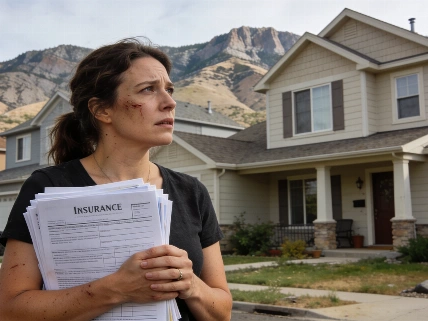
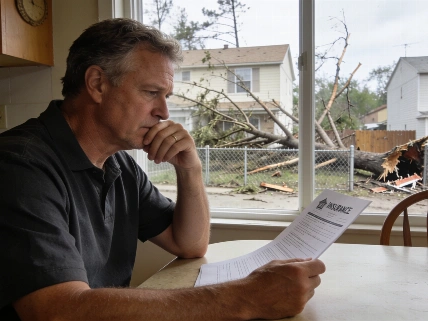
Insurance, once a safety net for homeowners, has become a growing financial burden. Since 2020, property insurance costs have jumped nearly 80 percent, with the average single-family mortgage holder now paying $209 per month. In high-risk areas, rates climb even higher, and many California homeowners have lost coverage. The Midwest faces the fastest increases, driven by severe storms. Douglas Heller of the Consumer Federation of America warns that the insurance market is nearing dysfunction for many households.
Rising insurance costs hit renters too, as landlords pass higher premiums on through increased rents. Caroline Nagy of Americans for Financial Reform points out that both renters and owners are absorbing the costs of greater climate risks, making it harder to save for a home or justify buying one.
Federal regulations shape these insurance burdens. The National Flood Insurance Act requires that any building or personal property securing a federally backed mortgage must carry flood insurance if the property is in a FEMA-designated special flood-hazard area and insurance is available. Required coverage is generally capped at the lesser of the outstanding loan balance or the maximum coverage available under the federal program, not necessarily the property's full market value. Borrowers in high-risk areas face a mandatory recurring insurance expense, while lenders keep a federally defined collateral-protection requirement. These rules apply to loans made, increased, extended, or renewed under federal lending programs, as detailed in 38 CFR Part 36, Subpart E.
Climate risk and the shifting housing market
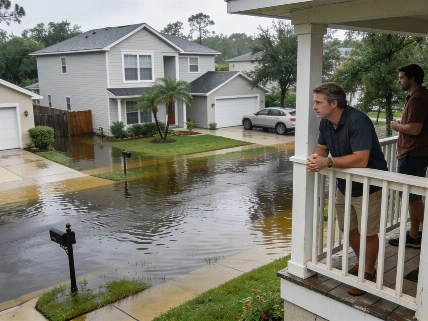
Recent disasters have shown that regions once considered safe are now vulnerable. Asheville, previously seen as a "climate haven," took nearly 14 inches of rain over three days during Hurricane Helene in September 2024. The French Broad River overflowed, damaging more than 74,000 homes in western North Carolina. Only about 4 percent of those homes had flood insurance, leading to $9.5 billion in uninsured property losses. Home values in the hardest-hit counties have dropped, with Asheville's average home price falling 5 percent over the past year, even as the national average rose 1.2 percent.
Research in Nature Climate Change in 2023 found that homes in FEMA-designated high-risk flood zones sell for 2.8 percent less than similar properties. Even with this discount, the study estimated that flood-exposed homes remain overvalued by $121 billion to $237 billion, with Appalachia flagged as a hot spot before Helene. The federal regulatory framework for flood-hazard identification and insurance is in Title 44 of the Code of Federal Regulations, including Part 59 on general flood-insurance provisions and Part 61 on insurance coverage and rates. These rules set the legal structure behind FEMA flood maps, the National Flood Insurance Program, and federally regulated flood-insurance requirements, directly affecting mortgage eligibility and ongoing loan compliance for buyers.
Social consequences and changing aspirations
The uneven drop in home values in high-risk areas is causing real social harm. After Superstorm Sandy in 2012, many homeowners in New York and New Jersey couldn't sell their properties for enough to move, leaving them stuck. Elliott's research shows that even homes untouched by disaster may lose value as buyers grow wary of floodplains and wildfire-prone regions. In some cases, properties could become economically worthless before they are physically uninhabitable.
Insurance burdens hit those on fixed incomes especially hard. Andrew Engler of Rock Rose Risk notes that retirees around Lake Tahoe face rising homeowners association fees to cover wildfire insurance, which reduces property values and limits mobility.
For many, the American Dream is changing. Polling by Data for Progress for Grist found that 58 percent of likely U.S. voters believe climate change will make it harder to achieve the American Dream in the next 20 years, including 42 percent of Republicans. An Ipsos poll found that while 46 percent of baby boomers link homeownership to the American Dream, only 13 percent of Gen Zers do.
Community response and the future of homeownership
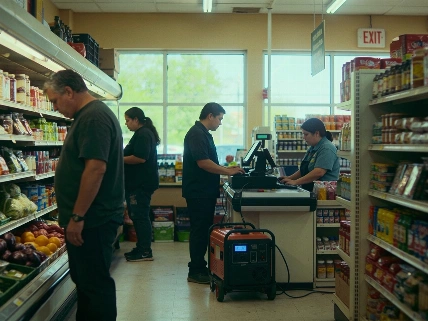
Disasters have highlighted the importance of community support. After Hurricane Helene, Isley and Jamie relied on neighbors for information and resources, with residents gathering at the fire station for fresh water. Banners reading "Asheville Strong" and "WNC Strong" appeared throughout the area. Sociologist Nick Tinoco has observed that survivors of disasters like the 2018 Woolsey Fire in Los Angeles County often organize volunteer efforts to protect their neighborhoods, sometimes forming their own fire brigades.
Federal disaster policy now puts more focus on pre-disaster risk reduction as well as post-disaster repair. FEMA's hazard-mitigation programs can fund projects such as buying and removing flood-prone properties, elevating structures, improving drainage, and enforcing stronger building codes. These measures aim to help communities rebuild safer and more resilient infrastructure and reduce future disaster damage, as outlined in 44 CFR Part 209. State and local governments play a key role in choosing and carrying out these mitigation projects, which can affect land values, local tax bases, and the long-term insurability of neighborhoods.
As the idea of moving to "climate havens" loses traction, experts like Elliott say security must be built where people already live. She questions whether it makes sense for so much of a person's economic future to depend on a single property. Living through disaster has led some, like Isley, to rethink their goals. Isley now plans to pursue a master's degree in public health, driven by a desire to help rural communities prepare for climate emergencies.
For more on how rising disaster costs are affecting insurance markets in California, see this earlier breakdown.