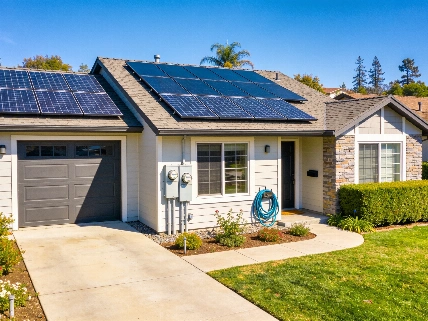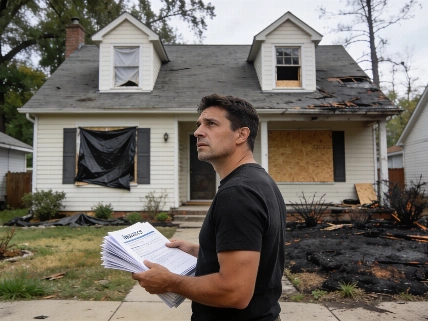


Major home insurance companies across the United States have pulled in $113 billion in excess underwriting profit from 2021 to 2025, according to a report from Americans for Financial Reform Education Fund, Public Citizen, and the Revolving Door Project. The analysis shows insurers boosted premium revenue by nearly 60% over five years, but claim payouts increased at only half that pace. The National Association of Insurance Commissioners (NAIC), which oversees insurance regulation in the U.S., describes the system as state-based, with state regulators handling insurer solvency, market conduct, rates, and consumer protection. The NAIC has flagged coverage availability and affordability as major challenges for consumers, calling the current situation "one of the largest protection gaps facing consumers today."
The report, titled "Home Insurers Are Ripping People Off Amid the Climate Crisis," points out that in 2021, home insurers collected $113.9 billion in premiums and paid out about 69 cents in claims for every dollar received. By 2025, premium revenue had climbed to $181.2 billion, but claim payouts dropped to just 55 cents per dollar. These payout ratios fall well below the historical average of 70 to 80 cents per dollar seen in the 1990s, according to Alex Martin, climate finance policy director at Americans for Financial Reform Education Fund. The NAIC notes that state regulators must address climate-related underwriting and catastrophe exposure, as well as affordability and insurer financial stability within a national insurance market, since these factors widen the protection gap.
Premium hikes and claim denials
Insurers have raised rates and closed a substantial number of claims without payment. Elyse Schupak, policy advocate with Public Citizen's Climate Program, explained that nearly a third of claims were closed without any payout during the study period. Of the claims that were paid, more than a fifth took at least two months to process. Schupak said, "After spending years pointing to climate change and rising disaster costs to justify offering policyholders less protection at a higher price, the insurance industry is reaping record profits."
Some states saw especially low loss ratios in 2025, meaning insurers kept most of the premiums collected. In Hawaii, insurers paid out just 8% of premiums in claims. Florida, New Mexico, Louisiana, and South Carolina also reported loss ratios well below the national average. In Florida, premium revenue jumped 64% from $11.4 billion in 2021 to $18.7 billion in 2025, while claims payouts fell 67% from $6.5 billion to $2.1 billion. The report notes that no hurricanes made landfall in Florida in 2025, which contributed to the low loss ratios, but similar trends appeared in 2024 despite high hurricane activity. The NAIC emphasizes that severe-weather resilience is a key concern for regulators, who are considering pricing and whether communities and insurers can remain resilient as catastrophe exposure changes.
Profits and missed opportunities for adaptation
The report argues that the industry's excess profits could have supported climate adaptation efforts. Redirecting just 10% of the excess underwriting income from 2021 to 2025 would have provided nearly $5 billion annually for adaptation projects-an amount that surpasses the Federal Emergency Management Agency's yearly spending on pre-disaster mitigation. The full $113 billion could fund 11.3 million roof fortification grants of $10,000 each, reaching over a third of the 33.1 million US homes at moderate or greater hurricane wind risk.
Policy recommendations in the report urge regulators to consider prior loss ratios when reviewing rate increases, strengthen oversight of insurer pricing and claims handling, and require greater transparency in underwriting and claims decisions. Kenny Stancil, deputy research director at the Revolving Door Project, called on public officials to use every available tool to address industry profiteering and ensure that profits are used to help communities adapt to more frequent and severe weather. The NAIC's published agenda includes insurance affordability and availability as active regulatory priorities, particularly as severe-weather risks affect community resilience and private coverage markets. The organization also lists artificial intelligence and fraud prevention, along with private-credit investment, among issues being considered by state insurance regulators. According to the NAIC, its role in the state-based system includes providing expertise, data, and analysis to insurance commissioners so they can regulate insurers and protect consumers. More information on the NAIC's regulatory priorities can be found in its 2026 Fall National Meeting agenda.
Earlier coverage of rising home insurance costs and the impact of extreme weather on premiums can be found in this previous report.