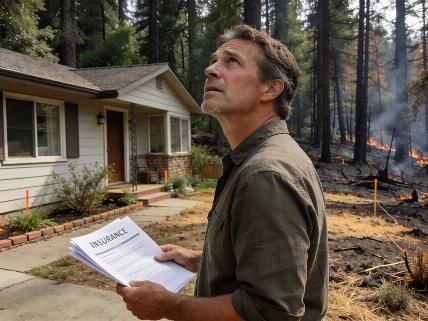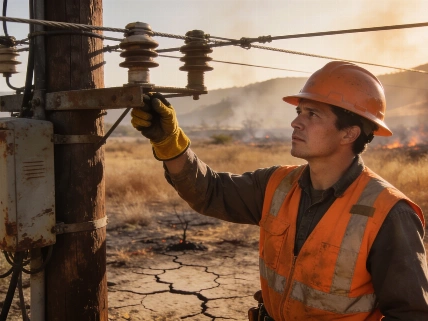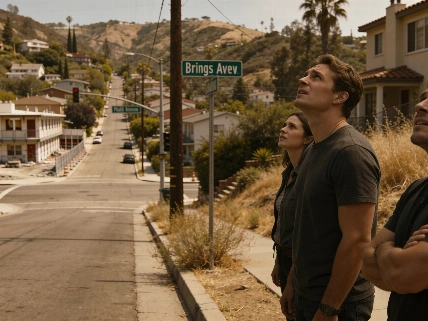
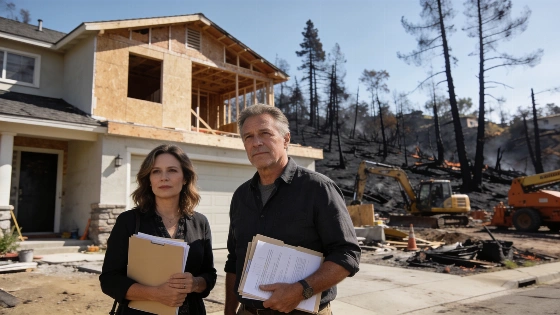
Investigators have linked Southern California Edison (SCE) equipment to the ignition of the Eaton fire, putting the utility under pressure from civil claims by survivors and raising the risk of major financial fallout depending on regulatory outcomes. The fire broke out during a severe windstorm on January 7, 2025, resulting in 19 deaths and the destruction of more than 9,400 structures in Pasadena and Altadena, based on independently reported compensation and litigation data. The technical explanation points to electrical arcing from an SCE transmission tower tied to a long-dormant power line, which had been de-energized since 1971 but may have become live again during the storm. Cal Fire and the Los Angeles County Fire Department led the official investigation into the cause, while attorneys for victims carried out their own reviews, including drone-based inspections.
On November 12, 2026, SCE International CEO Pedro Pizarro spoke to fire survivors at Westminster Presbyterian Church in Pasadena, saying the company does not see evidence it consciously or willfully ignored public safety. He cited California's Assembly Bill 1054, which created the California Wildfire Fund in 2019 to reimburse eligible wildfire claims involving investor-owned utilities. The fund reportedly held $15 billion in 2026. Pizarro said the California Public Utilities Commission (CPUC) must decide if SCE's actions met the standard of a reasonable utility acting in good faith under similar conditions, as the law requires. He said, "We believe that SCE will be able to make a good-faith showing that it was a reasonable operator of its system with regards to the Eaton fire."
Regulatory and Legal Stakes
The CPUC will decide SCE's financial responsibility to the Wildfire Fund after most claims are resolved and the company's liability is clearer. Pizarro outlined possible outcomes: no repayment to the fund, a capped $4.3 billion, or an uncapped amount that could threaten the company's financial health. The regulatory review is separate from civil lawsuits, as the commission must judge whether SCE acted prudently and avoided conscious or willful disregard for public safety. The Los Angeles County District Attorney's Office is also reviewing the case for potential criminal liability, but Pizarro said, "After looking at the facts that we have on hand, we also see no basis for any felony criminal liability."
As the deadline for survivors to apply for SCE's Wildfire Recovery Compensation Program neared, Pizarro repeated the company's promise to provide "fair and fast" payments to help residents rebuild. He acknowledged community requests to extend the deadline but said any change would need careful review and operational readiness. SCE continued to hold community meetings and promoted the program as a way to speed up rebuilding, while debate continued over whether the application deadline should be extended.
Compensation Program and Community Impact
SCE's Wildfire Recovery Compensation Program, managed with guidance from Kenneth Feinberg and Camille Biros-who previously oversaw compensation funds for the September 11 attacks and Deepwater Horizon disaster-had offered nearly $1.1 billion to more than 7,700 claimants as of October 20, 2026, with almost 80% of those offers accepted. The program covers structure loss, business interruption, smoke and ash damage, physical injury, and wrongful death. SCE reported that more than 18,200 community members had sought compensation through the program for the Eaton Fire, a number that appears to reflect claimants or participants rather than finalized settlements. Payments so far have totaled $660 million for more than 4,800 claimants, with more claims still being processed. SCE describes the program as a way to provide direct compensation to those affected by the fire. More details are available from the Edison International Newsroom.
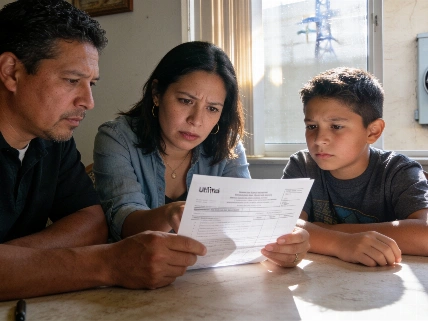
Some plaintiff attorneys argue that survivors who accept SCE's compensation offers usually receive less than they might through litigation, estimating payouts at 30 to 50 cents on the dollar compared to negotiated settlements. Accepting an offer means waiving the right to sue SCE for damages related to the Eaton fire. The statute of limitations for filing such lawsuits is January 7, 2027, two years after the fire started. Legal coverage has described the choice between settlement and litigation as an "impossible choice" for many survivors, since court actions could bring higher payouts than the utility's offers but may take longer to resolve.
Attorneys and SCE officials have warned survivors about predatory legal tactics and the slow pace of court proceedings, urging careful consideration of the compensation program. For context on broader wildfire-related regulatory actions in California, see this reported earlier development on wildfire smoke remediation standards.
Pizarro said SCE is ready for a surge in last-minute applications and will review whether an extension is possible as the holiday season approaches. He said, "We want to listen to the input, but not sure yet." The CPUC's final decision on SCE's conduct and financial responsibility is still pending as claims continue to be processed. According to a November 2026 SEC filing by Sempra, wildfire liability remains a material financial and regulatory risk across California's energy sector, keeping insurance, customer rates, statutory funds, and legislative changes in focus for utilities managing wildfire costs.