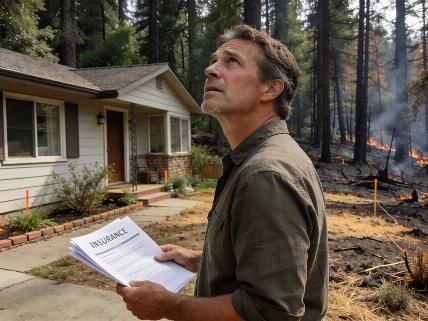
Governor-elect Xavier Becerra's plan to halt increases in utility bills and home insurance premiums, along with a proposal to give select working families two hours of free electricity each day, has put California's energy and insurance policies under a microscope. The specifics of these promises remain unclear, leaving open questions about how they would be paid for, what regulatory steps would be needed, and how much sway major utilities might have in the process.
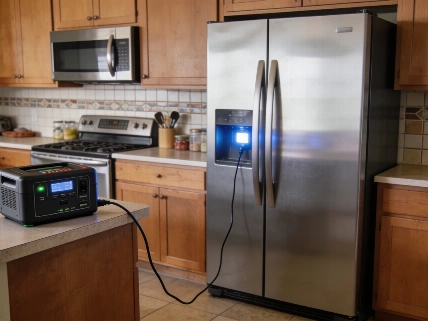
Becerra's "Power Hour" initiative, first announced in August, targets afternoon hours when solar generation is high and production costs drop. The plan would let qualifying working families use up to two hours of free electricity daily during midday, when California's solar output peaks and wholesale prices fall. Becerra pitched the idea as part of a broader push to make life more affordable in California, telling a Sacramento policy summit, "Use your electricity during those two hours, and you won't pay a dime," according to ABC7 News. The policy aims to address the state's "duck curve" problem, where solar output is strongest during the day but demand and system costs climb in the evening. Still, neither Becerra nor legislative leaders have released a cost estimate or a clear funding plan for the free power offer. Assembly Speaker Robert Rivas and Senate President pro Tempore Monique Limón have not committed to backing the plan, according to ABC7.
Financial and Regulatory Challenges
Energy economist Severin Borenstein estimated that a typical household would likely save less than $200 per year under the proposal. This limited savings comes from the fact that only the energy-generation part of a bill would be affected by free or discounted afternoon electricity. Most residential bills also include infrastructure, transmission and distribution, wildfire-related expenses, and other fixed or policy-driven charges. Borenstein pointed to the rising cost of maintaining California's electric grid, especially wildfire prevention and liability expenses, as a bigger affordability problem than the price of daytime power alone. He said that meaningful short-term relief would mean shifting some expenses to other revenue sources, likely the state budget.
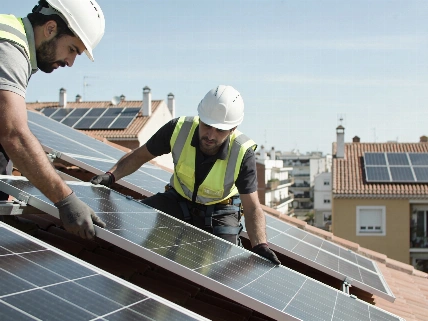
California's midday solar surplus gives an economic reason for time-based electricity pricing, since extra daytime use can absorb generation that might otherwise be curtailed or sold at low wholesale prices. But lowering prices during the solar-heavy period can mean higher prices during the 4-to-9 p.m. peak or a subsidy from outside to make up for lost revenue. Climate-policy analyst Mara Stokes told Canary Media that policymakers could "either shift the prices up at the peak time in the 4 to 9 [p.m.] period, or keep them flat and use taxpayer funds to backfill that." The policy's impact would depend on whether eligible households can move activities like laundry, cooking, cooling, or vehicle charging into the set hours. The proposal still lacks a public price tag or detailed funding plan, and Becerra has not explained how the program would be paid for or who would qualify. Without a formal tariff, legislative appropriation, or regulatory proceeding, Power Hour remains a campaign idea rather than an active electricity program.
Campaign spokesperson Jonathan Underland told the Sacramento Bee that the plan's details are still being worked out. State constitutional expert Chris Micheli said that freezing utility bills or insurance premiums would almost certainly need approval from utility regulators or the incoming Insurance Commissioner Jane Kim. California's home-insurance rate system is institutionally separate from electricity regulation, creating a distinct legal hurdle for any proposed premium freeze. Kim said she had not discussed the proposal with Becerra and had not campaigned on a general freeze, instead describing a narrower consumer-protection idea involving protection from premium penalties after an insured files a claim, as reported by the San Luis Obispo Tribune. Seren Taylor, representing the insurance industry, warned that a freeze could prompt insurers to leave the California market. Kim stressed her focus on making insurance affordable and available, suggesting that any policy could need to address both premium levels and market participation rather than impose a blanket ban on increases. Consumer advocates argue that lasting savings depend on stricter oversight of utility spending and profits.
Utility Profits and Political Influence
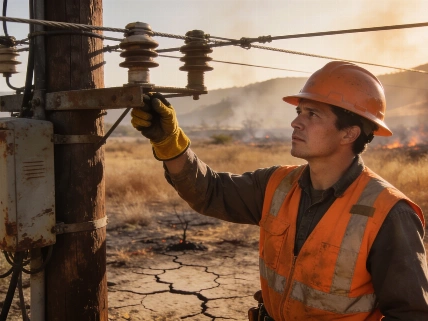
UC Berkeley energy researcher Travis Ritchie explained that the Power Hour could lower bills and ease grid pressure by shifting electricity use to cheaper afternoon hours. Still, he noted that much of a customer's bill pays for fixed costs, such as poles, wires, and wildfire prevention, which free power would not touch. Ritchie identified wildfire spending as the main driver of recent rate hikes, with regulators allowing PG&E, Southern California Edison, and SDG&E to collect $27 billion in wildfire-related costs through rates after the 2017 and 2018 fires. These expenses now make up as much as 19% of an average residential bill, according to Ritchie.
Ritchie called for cutting investor returns on wildfire projects, enforcing utility budgets, and ending special tracking accounts that let companies seek reimbursement outside regular rate proceedings. David Pomerantz, executive director of the Energy and Policy Institute, argued that any freeze must come with reforms such as lower profit margins, stronger regulatory oversight, and public financing. The Institute's report found that 110 investor-owned electric utilities collected about $186 billion in profits from 2021 through 2024, with preliminary 2025 results from 79 utilities showing an average profit margin of 14.6%. Southern California Edison reported a 26.11% margin in that dataset. The report also described efforts by Southern utilities to block regional transmission projects that could bring cheaper renewable power into their territories.
Voter Pressure and Political Money
Voter research cited by industry groups found that 84% of respondents were concerned about electricity costs, with many blaming rising demand and utility profits. A Consumer Reports survey of 2,000 people revealed that about one in five had cut grocery spending or switched to cheaper food to pay electricity bills, and about one in four had reduced heating or cooling to uncomfortable levels. Most respondents pointed to utility profits as a key factor in rising costs and expressed little trust in state utility regulators. Half said utilities should earn no or reduced profit on infrastructure investments related to natural disasters.
Environmental advocacy groups, including Climate Power, the League of Conservation Voters, and the NRDC Action Fund, reported that candidates who combined affordability proposals with support for American-made wind and solar power performed better in polling, even in Republican-leaning districts. These groups urged Democrats to pair criticism of Republicans with specific plans to lower bills.
Becerra's campaign has also faced scrutiny over political contributions from utility companies. PG&E directed more than $13 million to an independent committee opposing Democrat Tom Steyer, indirectly benefiting Becerra, according to The Sacramento Bee. The San Francisco Standard reported that an anti-Steyer committee received nearly $12 million from a business committee funded by PG&E, Sempra Energy, Edison, and Chevron, with those four companies contributing about $7 million. Becerra's earlier campaigns received $28,500 from PG&E, $70,500 from Southern California Edison, and $69,800 from Sempra/SDG&E, along with $38,000 from other utilities and trade associations and $42,600 from utility-affiliated labor groups. Utility companies spent heavily on candidates from both parties ahead of the November 3 election, with the Energy and Policy Institute noting record spending in 2026 on political organizations such as the Republican Governors Association and Democratic Governors Association. For additional background on Becerra's earlier policy signals, see this reported earlier.
Unanswered Questions and Next Steps
Becerra is set to take office in January, but his administration has yet to clarify who would qualify for free electricity, how the program would be financed, or how a freeze would prevent bills from rising. As reported by ABC7 News, Power Hour remains an undeveloped proposal without a published cost estimate, implementation timetable, or detailed funding mechanism. The main unresolved policy question is whether benefits would be funded by taxpayers, absorbed through utility finances, or offset through higher charges at other times or for other customers. Until those decisions are made, the less-than-$200 annual estimate represents a potential household benefit rather than a guaranteed saving. Pomerantz warned that utilities could use political spending, charitable donations, and lobbying to resist accountability efforts, even after supporting Becerra's campaign. PG&E and other utilities have previously deferred investments while seeking wildfire liability protections, a tactic that could influence future regulatory debates in Sacramento.