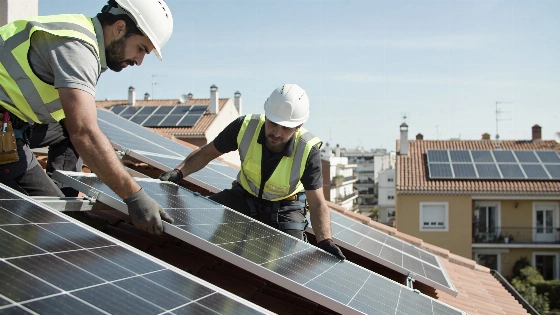
At a summit in Antalya, Turkey, governments and energy leaders endorsed a global rooftop solar declaration targeting at least 300 million homes with solar panels by 2030. Announced on November 10, 2026, during United Nations climate talks co-hosted by Turkey and Australia, the initiative aims to double the current global total of about 150 million homes with rooftop solar in six years. The Global Solar Council, which coordinated the declaration, framed the effort as a move toward distributed energy and household resilience, focusing on rooftop solar and home batteries instead of utility-scale generation. The declaration lists faster permitting and affordable finance as priorities, along with grid modernization and workforce development, according to the Global Solar Council.
Australia, Bangladesh, Kenya, Nigeria, and Vanuatu formally supported the declaration, and Indonesia's state-owned power provider, Perusahaan Listrik Negara, joined as well. Lawmakers from 21 other countries, including Sri Lanka, South Africa, and the United Kingdom, signaled support. The declaration remains voluntary and non-binding, so it does not set enforceable installation quotas, financing requirements, or penalties for participating governments, as reported by the Associated Press. The 300-million target is a global aggregate, not a breakdown by country, and there is no central fund or binding contribution schedule for implementation.
Financial and Infrastructure Hurdles
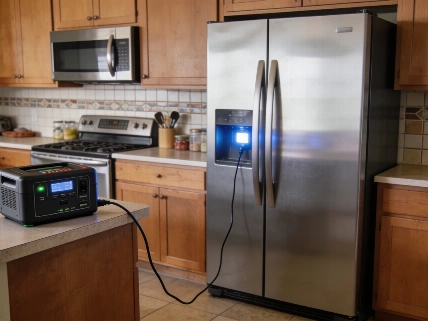
Although the pledge is voluntary and carries no binding requirements, its supporters recognize that hitting the 300 million goal will demand substantial government action. The Associated Press reports that subsidies for solar panels and battery systems, along with urgent upgrades to national power grids, are critical for the plan's success. The declaration specifically calls for lowering installation costs, streamlining permitting and approvals, improving household financing, and expanding battery deployment to address main barriers such as upfront capital needs, administrative delays, limited storage, and weak distribution-grid capacity. Battery storage stands out as a key policy focus, with advocates pointing out that pairing rooftop solar with batteries lets households use more self-generated electricity and keep service during grid outages.
The declaration also calls on national, state, and local governments to include rooftop solar in energy and climate plans, rather than treating installations as isolated consumer purchases. Workforce training is listed as an implementation requirement, since rapid deployment will need installers and technicians to build, maintain, and repair systems. Grid modernization is a priority because large amounts of distributed generation can create operational and balancing challenges for electricity networks. The Global Solar Council highlighted its priorities as "streamlining permitting so rooftop solar is easier to install," "unlocking affordable finance for households and communities," and "modernising electricity grids to support distributed energy."
Energy supply disruptions tied to the wars in Ukraine and Iran have increased interest in renewable energy, giving momentum to the rooftop solar push. Sonia Dunlop, CEO of the Global Solar Council, called the initiative "the future of affordable energy" and pointed to its potential to protect working families from future price hikes.
Consumer Savings and Local Examples
For households weighing solar, $0 upfront leases can cut monthly electricity bills by hundreds of dollars, depending on individual situations. Tools like EasyHome's free explorer help estimate possible savings and connect users with vetted installers. In Thailand, a government program could provide 50,000 baht to a million households for solar adoption, while Australia has installed 100 community batteries and funded more solar storage projects. Australia's main grid recently ran at 80% renewable electricity on consecutive days, with rooftop solar meeting over half of demand.
As governments consider next steps, Bruce Douglas, CEO of the Global Renewables Alliance, emphasized the need for concrete national policies to follow the pledge. "The pledge is a pledge," Douglas said, according to the Associated Press. "We now need to see national policies and frameworks in place." The Associated Press noted that voluntary agreements like this are common at United Nations climate conferences, and the immediate next steps depend on national governments adopting permitting reforms, financing programs, storage incentives, and grid investments.
Rooftop solar expansion fits into a broader change in how households manage energy costs and risk. As reported earlier, climate-driven disasters and rising insurance premiums are already changing the financial landscape for homeowners.