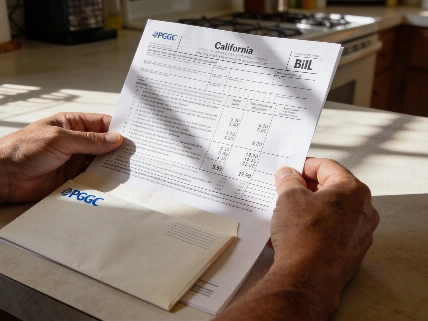

New data from the Bureau of Labor Statistics shows consumer prices went up 0.4% in October, outpacing forecasts and pointing to continued inflation. The latest inflation report, released Tuesday, makes clear that the cost of goods and services keeps climbing, even as President Trump has said publicly that inflation is no longer an issue.
In the days before Election Day, President Trump told Fox News, "The inflation is solved." He repeated this message during his campaign, saying, "Prices are coming down." The newly released data does not support these statements, as prices have not dropped. The report also notes that "core" prices-excluding food and energy-rose 0.3% in October, which was higher than expected.
Wages and Household Impact
The economic pressure goes beyond prices. A New York Times report points out that October's inflation rate wiped out any wage gains for workers that month. When adjusted for inflation, average weekly earnings stayed flat, so household purchasing power did not improve even with nominal wage increases.
Federal data from the U.S. Bureau of Labor Statistics shows average hourly earnings for all employees on private nonfarm payrolls rose by 14 cents, or 0.4 percent, in October, reaching $38.00. Over the last 12 months, average hourly earnings increased by 3.1 percent. In the same month, total nonfarm employment grew by 165,000, with job gains in professional and business services and health care. Transportation and warehousing also added jobs. Other major sectors, such as construction, retail trade, information, financial activities, leisure and hospitality, and government, saw little change in employment.
Across the country, wages and salaries rose 3.1 percent over the 12 months ending in September, according to the Bureau of Labor Statistics Employment Cost Index. The agency also reported that nonfarm business labor productivity increased at a 3.6 percent seasonally adjusted annualized rate in the third quarter of 2026. Real hourly compensation rose 1.1 percent in that quarter and 1.0 percent over the previous four quarters.
Persistent inflation is likely to shape monetary policy. The latest numbers may push the Federal Reserve to weigh another interest rate hike, which goes against the White House's preferred economic direction. As the data stands, official statistics do not support the narrative of falling prices or resolved inflation.