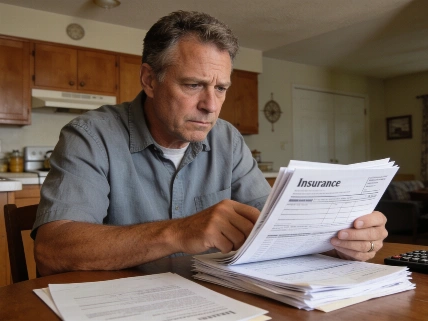
Across much of the United States, annual home insurance costs have surpassed property taxes, changing the financial landscape for millions of homeowners. Research from Bloomberg Intelligence analyst Andrew John Stevenson shows that home-insurance premiums now top property taxes in about two thirds of US counties. When factoring in auto insurance for extreme-weather damage, the share rises to three quarters of counties.
Stevenson's analysis puts the average annual "climate" insurance premium at $3,160 per household, while county-level property taxes average $2,423. National averages still show property taxes higher at $4,594, but this reflects high-tax states like California and New York. In areas with lower taxes and higher disaster risk—such as the Deep South and the Plains—insurance bills can run four times higher than local property taxes.
Climate disasters drive insurance costs
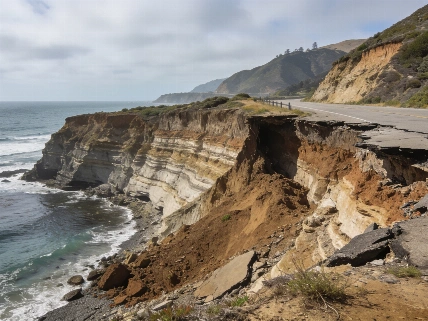
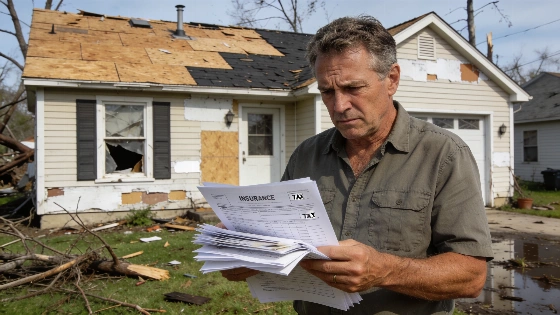
Premiums have jumped more than 46% since 2021, a pace three times faster than inflation. The main factor is the rising frequency and severity of natural disasters tied to climate change. Severe convective storms—tornadoes, high winds, and hail—now cause more insured damage each year than any other disaster type in the US. The Insurance Information Institute reports that losses from these storms climbed from under $10 billion in 2015 to $52 billion last year.
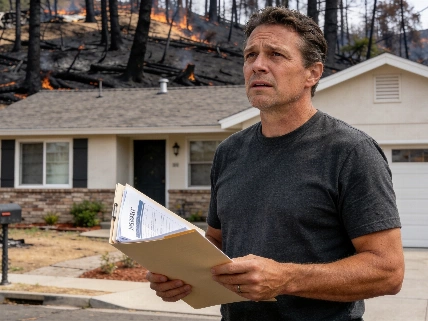
States like Alabama, Colorado, and Oklahoma, which haven't been known for major catastrophes like California's wildfires or Florida's hurricanes, have felt the effects. Warmer temperatures are fueling stronger thunderstorms and related hazards in these regions, driving up both premiums and deductibles. As insurers raise deductibles to slow premium increases, homeowners end up shouldering more of the cost for property damage.
Impact on affordability and local budgets
Unlike property taxes, insurance premiums can't be deducted from federal income taxes, so homeowners get no break from rising costs. The growing price of insurance is making it harder for many to afford homes, especially in disaster-prone areas. Stevenson estimates that uninsured property losses in the hardest-hit counties can reach 5% or more of total county GDP.
As insurance costs squeeze household budgets and slow home sales, local governments see their property-tax base shrink. This puts funding for public services at risk and may force counties to weigh raising property taxes or cutting services to make up for lost revenue.
One estimate in the research points to a gap of $2.7 trillion between what homeowners pay for insurance and the potential damages from floods and wildfires, a sum large enough to shake the broader housing market.
Policy responses and ongoing challenges
Government actions to address rising costs have often centered on subsidizing fossil fuels or expanding infrastructure for traditional energy sources, rather than speeding up the shift to renewables. The article notes that more than $1 trillion in government subsidies have gone to fossil fuels in response to recent global events, in addition to $7 trillion in annual support.
Solving the insurance crisis will mean balancing affordable housing with discouraging new building in high-risk disaster zones. Moving away from fossil fuels could help address the root causes of climate-driven disasters, but the transition may bring short-term affordability issues, including higher electricity bills. For more on federal policy proposals related to homeownership affordability, see the U.S. Department of the Treasury's announcement about future initiatives.
For further background on federal regulatory actions and recent proposals, official press releases are available through the U.S. Department of the Treasury press-release index.
Read the original article at Yakima Herald.