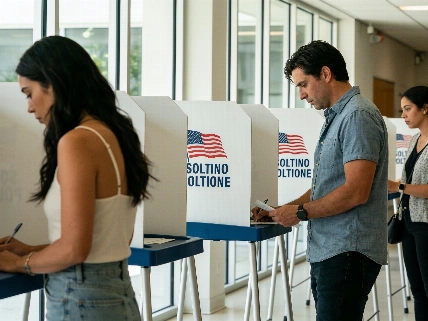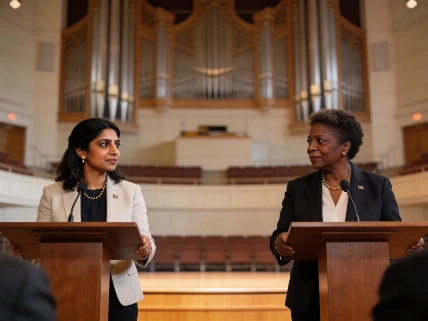
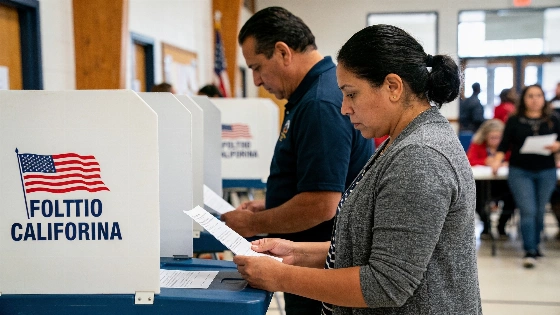
Economic worries have shaped California's governor race, with the latest Public Policy Institute of California (PPIC) survey showing 77 percent of residents expect tough financial times and 76 percent say their incomes trail inflation. A late-election poll put Democrat Xavier Becerra ahead of Republican Steve Hilton by 61 to 37 percent among likely voters as the campaign neared its end, with affordability still the main concern for Californians. Voters have zeroed in on the cost of gasoline and housing, as well as higher education. National political issues, including those involving President Donald Trump, have also played a role, according to U.S. News & World Report.
Affordability worries stretch from housing and healthcare to utility bills and gasoline prices, shaping the debate as voters decide who will follow Governor Gavin Newsom, who is barred from running again by term limits. Both Becerra and Hilton have promised economic relief, but their plans differ. The 2026 race is a succession contest, with Becerra highlighting his experience as California attorney general and U.S. secretary of health and human services, and Hilton positioning himself as an outsider challenging Democratic control, as reported by the Los Angeles Times.
Contrasting economic proposals
Becerra, who served as US secretary of health and human services and as California's attorney general, has called for strong government action to address high consumer prices and housing shortages. He told ABC 10News that Californians want answers to the affordability crisis, especially for housing and energy. His platform includes declaring a state of emergency on housing, targeting price gouging, and pushing for measures to restrain utility and insurance costs. Becerra's campaign has focused on government steps to address affordability in housing and energy, as well as food, healthcare, and insurance. He has said he is open to a mileage-based road-use fee as electric vehicle adoption cuts gasoline-tax collections, stating he is considering "all options" to keep road funding steady as more Californians switch to electric vehicles and stop paying the gas tax. Becerra has also said California's environmental goals could be revised or delayed if needed to keep living costs in check.
Hilton, a former Fox News host and adviser to David Cameron, has focused on cutting taxes and regulations. His main affordability proposal is to exempt the first $150,000 of an individual's income from California state income tax. Hilton has also promised to bring gasoline prices down to $3 per gallon by removing what he calls hidden gas taxes tied to the high-speed rail project and the carbon fuel standard, easing regulations, expanding in-state oil production, and changing how state carbon-fuel policies are handled. He has pledged to cancel or defund the high-speed rail project, abolish the Department of Motor Vehicles, and cut regulatory and government costs. Hilton staged a $3-per-gallon gasoline event in California's San Joaquin Valley to highlight his affordability promise and campaigned on a $73 cap for vehicle-registration fees. Many of his proposals would need major legislative changes, given the Democratic majority in California's legislature, and would affect the state's environmental and transportation funding. No formal state fiscal analysis has confirmed that gasoline could reliably reach $3 per gallon under Hilton's plan. Hilton has built his campaign around the "many ills facing California," including housing affordability and homelessness, as well as budget deficits and high gas prices, according to the Los Angeles Times.
Housing and healthcare pressures
California's median home value is more than double the national average, putting homeownership out of reach for many and raising pressure on renters. Both candidates agree housing costs are too high, but their strategies differ. Hilton's housing plan includes permit "shot clocks," statewide changes to impact fees, streamlined review for modular construction, simplified affordable-housing finance, and a proposed cap on government fees and regulatory costs of $50,000 per new home. Becerra supports building "missing-middle" multifamily housing near transit, expanded first-time-homebuyer down-payment assistance, faster approvals, and stronger enforcement of state housing requirements against local governments. These approaches pit supply-side deregulation and cost caps against a mix of state enforcement, public assistance, and targeted housing production, as detailed by Realtor.com.
Healthcare costs have also become a major concern. KFF Health News reports that the average annual premium for employer-sponsored family health insurance in California has reached nearly $28,400, up 24 percent since 2022. A 2025 survey by the California Health Care Foundation and NORC at the University of Chicago found that almost two-thirds of Californians worry about unexpected medical bills, and six in ten have skipped care due to cost. Kristof Stremikis of the California Health Care Foundation told KFF Health News, "People are hungry for pretty aggressive action on healthcare spending."
Becerra has promised to pursue lower prescription drug prices and challenge anticompetitive practices among healthcare providers, referencing his antitrust lawsuit against Sutter Health that resulted in a $575 million settlement. Hilton's platform calls for greater price transparency and increased competition in prescription drugs, along with personal healthcare accounts of up to $10,000 annually as part of Medi-Cal reforms.
Homelessness and social policy
Homelessness has become another key affordability-related issue dividing the candidates. Hilton has proposed building statewide homeless recovery centers that would include mental health and addiction treatment and job training. Becerra's campaign has focused on a broader affordability and public-policy agenda that includes housing and healthcare rather than the same recovery-center model. Hilton has used homelessness, high housing costs, and government performance to argue that California needs a change in direction.
Legislative and budget realities
Policy specialists have questioned whether either candidate has provided enough detail on how their proposals would be financed or put into practice. California has already set up an Office of Health Care Affordability to limit spending growth, but hospital organizations have pushed back, citing concerns about patient services. Rising healthcare and housing costs continue to squeeze household budgets and employers' ability to raise wages. Several of Hilton's proposals, such as the income tax exemption and gasoline price reduction, would require legislative approval and could affect transportation, environmental regulation, public services, and state revenues.
While political debates over immigration and public safety, as well as federal relations, have influenced the campaign, affordability stands out as the issue drawing concern from voters across party lines. The next governor will have to work within legislative constraints and budget pressures to deliver on campaign promises. Both campaigns made final appeals to voters on November 2-3, 2026, as reported by the Los Angeles Times.
For additional context on how rising disaster costs are affecting California's insurance market, see this earlier breakdown.