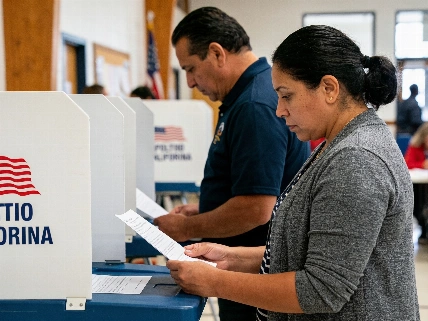

Affordable housing advocates and developers in California are watching as voters weigh a sweeping $11.25 billion bond proposal and a set of local rent control and eviction measures that could shift the state's housing strategy. The outcome stands to influence the pace and reach of future affordable housing projects, such as the recently renovated Nevin Plaza I in Richmond, which preserved 138 apartments for seniors and people with special needs through EAH Housing.
Proposition 1, the statewide bond measure on the November 3, 2026 ballot, would authorize about $11.25 billion in state bonds for affordable-housing and homeownership programs, including construction, rehabilitation, and preservation of homes. State analysts estimate the measure could unlock roughly 40,000 permitted rental units that are ready to be built, with its impact hinging in part on whether existing projects can secure the rest of their financing. The proposal also directs assistance toward specific groups, including veterans, farmworkers, students, and other Californians needing affordable housing. According to the University of California College of the Law, San Francisco, Proposition 1 operates mainly as a capital-financing initiative rather than a direct statewide rent-control law (UC Law SF summary).
This 2026 bond proposal differs from California's 2024 Proposition 1, which voters approved as a $6.4 billion Behavioral Health Bond for housing, treatment, and services tied to homelessness and serious mental illness. The California Department of Housing and Community Development reported that about $1.03 billion from the 2024 bond was made available through Homekey+ to cities, counties, housing authorities, and tribal entities for permanent supportive housing projects serving veterans (California HCD). The 2024 measure is projected to create at least 6,800 residential treatment beds and 26,700 outpatient treatment slots, focusing on behavioral-health capacity rather than general affordable housing.
Environmental Review and Streamlining Proposals
Another major statewide measure, Proposition 45, seeks to amend the California Environmental Quality Act (CEQA) by imposing strict timelines on environmental reviews and legal challenges for certain essential projects, including housing, infrastructure, and clean energy. Garcia explained that while the measure does not create outright exemptions, it would provide more structure and predictability for projects navigating CEQA. Amelia Matier, representing the proposition's sponsor, the California Chamber of Commerce, emphasized that the CEQA process would remain intact under the proposal.
Some environmental groups have raised concerns that the measure could weaken oversight for large developments, and questions have come up about whether data centers might qualify as essential projects under the new rules. Garcia noted that the language regarding data centers is not definitive and could become a source of future litigation. Nicolle Aube, principal planner at Civex, called Proposition 45 one of the most significant CEQA reforms she has seen, highlighting its potential to simplify a range of project types. She referenced recent legislative efforts, such as Assembly Bill 130 and Senate Bill 131, which have already introduced targeted CEQA exemptions and procedural changes.
Local Rent Control and Eviction Measures
At the local level, a wave of ballot measures across California addresses rent control and eviction laws. In Redwood City, Measure E would establish the city's first broad local rent-control and just-cause-eviction framework for covered older rental properties. The measure would limit annual rent increases to the lesser of 5% or 60% of the Consumer Price Index (CPI), while expanding protections for specified tenants, including seniors. Unlike some other cities, Redwood City's proposal would introduce a new system rather than amend an existing rent-stabilization ordinance (Apartment News).
In San Pablo, Measure S would create rent limits for specified rental properties, restricting increases to the lesser of 3% or 60% of the CPI increase. The proposal would also establish a process for considering additional increases, restrict eviction grounds for certain tenants, and impose further housing regulations. San Pablo estimates annual administrative costs between approximately $1.08 million and $2.36 million, funded through fees on rental-property owners (Ballotpedia).
Berkeley's Measure X would amend the city's longstanding Rent Stabilization and Eviction for Just Cause Ordinance, which dates to 1980. The measure would cap a periodic rent increase at 10%, including situations involving previously "banked" annual adjustments, and would lower the threshold for forming a tenant association from properties with 10 or more units to five or more units. It would also preserve tenant-association authority when a property-management company changes and could allow failure to confer in good faith to support a petition for rent reduction (SFGATE).
Santa Monica's Measure RR would prohibit eviction for nonpayment when the unpaid amount does not exceed the applicable HUD Small Area Fair Market Rent for a comparable unit in the relevant ZIP code. This provision would apply to both rent-controlled units and other units covered by Santa Monica's Housing Policies Charter Amendment, adding a documentation requirement to the eviction process.
Other local measures include a proposal in Cudahy requiring voter approval for rent increases above the current 3 percent ceiling, and a two-thirds city council vote for any amendments or repeal. In Salinas, Measure H proposes repealing the city's four existing rent control and just cause eviction ordinances.
These local initiatives reflect different stages of rent-regulation development: Berkeley would modify a system operating since 1980, while Redwood City would create a broader first-time framework and San Pablo would establish a new formula-based cap with an administrative apparatus. The East Bay Rental Housing Association notes that the ballot environment extends beyond the two measures with the clearest rent-control provisions, identifying measures across Albany, Berkeley, Emeryville, Hayward, Oakland, Piedmont, and San Pablo (EBRHA).
The available election materials identify November 3, 2026 as the decision date for the statewide and local measures described above. Berkeley Measure X, San Pablo Measure S, and Redwood City Measure E each require a simple majority, while implementation would require local administrative systems, fee collection, registration, or enforcement rules. San Pablo has already supplied a quantified implementation-cost range, whereas Berkeley's proposal includes administrative changes and authority for the Rent Stabilization Board to waive fees for nonprofit affordable-housing providers.
These local initiatives reflect a broader debate over tenant protections and housing affordability, as seen in recent coverage of Los Angeles housing policy decisions. The results of the current ballot measures could have lasting effects on renters, property owners, and the future of affordable housing development in California. For further details on the statewide and local measures, see the original source.