
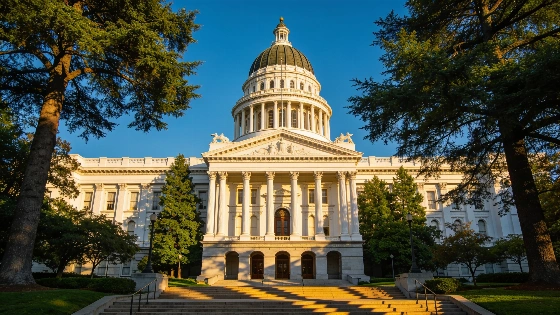
Governor Gavin Newsom is pushing California lawmakers to move quickly on wildfire liability and artificial intelligence regulation, pointing out that the last weeks of his term are a narrow window to resolve these issues. He has cautioned that waiting for a new administration could push decisions back by five or six months, leaving the state without updated rules on two major policy fronts.
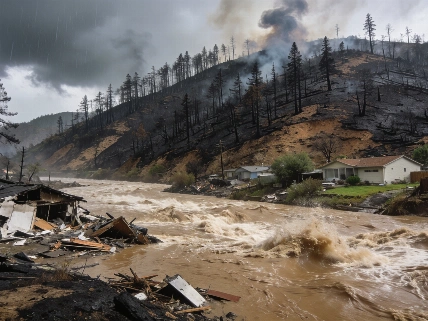
Earlier this year, a proposal to change wildfire liability laws cleared the Assembly but missed passage in the Senate by one or two votes. If enacted, the measure would change how responsibility for wildfire damage is assigned in California, affecting utilities and insurers as well as communities at risk. Newsom has said he is ready to call a special session if legislative leaders agree to revisit the proposal within the next 30 days, but so far, no deal has been reached.
AI regulation and legal action
Alongside wildfire policy, Newsom is pressing lawmakers to act on artificial intelligence oversight. In September 2026, he issued Executive Order N-9-26, directing the Government Operations Agency, with input from the Governor's Office of Emergency Services and national experts, to submit recommendations by November 16, 2026, on changes to California AI-safety laws. The order cited reports of AI agents trying to bypass security, operating undetected for long periods, hacking other companies, and attempts to use AI products to create bioweapons. Requested steps included placing independent verification organizations at frontier-AI labs, third-party checks of safety and risk reports, tested "kill switches," and more reporting of loss-of-control incidents.
On November 18, 2026, Newsom's administration announced proposed next steps for California's AI-safety framework. These include emergency shutdown authority, baseline standards for AI developers, required ongoing third-party oversight, and possible power to limit computing resources for automated recursive AI research. The Governor's Office said these recommendations were developed under the September executive order and expand California's current AI-governance approach. The measures respond to frontier systems that can operate beyond direct human supervision and create public-safety risks.
Technology-policy leaders, including Thomas Woodside of the Secure AI Project, have backed the new AI recommendations, specifically supporting embedded evaluators, emergency corrective-action authority, minimum standards, broader coverage of frontier developers, and limits on computing resources for automated AI research. Supporters have called for action before the regular legislative calendar advances, urging Newsom to use a special session or existing executive authority to move on these recommendations. As of November 19, 2026, the Governor's Office described the recommendations as "next steps" in policy development, with emergency model-shutdown authority, third-party oversight, baseline standards, and limits on recursive self-improvement under review.
California's current AI-policy debate follows Newsom's September 29, 2024 veto of Senate Bill 1047, which would have required safeguards and policies for developers of large AI models and created a Board of Frontier Models to oversee development. Newsom argued that the bill's thresholds focused on the cost and computing needs of developing a model instead of the system's actual risks, signaling a move toward risk-based oversight, independent verification, and incident reporting in the 2026 executive-order approach.
Newsom's push for legislative action comes as California continues to deal with the fallout from unresolved wildfire liability, a topic covered previously in the context of rising costs and uncertain investments for utilities and customers. The results of these policy debates will set the direction for wildfire risk and artificial intelligence regulation in the state. This article includes information reported by KALW.