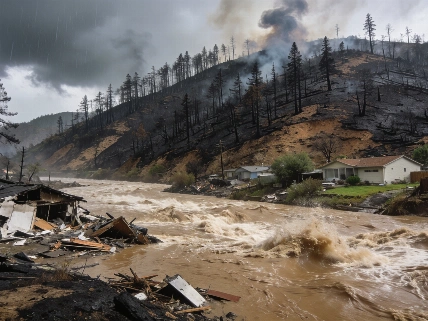

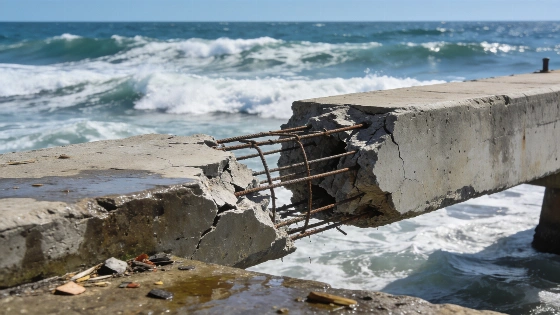
Just before midday on Wednesday, November 25, 2026, a huge wave swept over the end of Pacifica's L-shaped municipal pier, tearing the damaged section away and dropping it into the Pacific Ocean. The collapse happened in seconds, leaving only churning water where the pier's end had stood. Colin McCarthy, who filmed the destruction, told the Chronicle, "We had several large breakers, and this seemed to be the final blow. It hit square on." As SFGATE reporting details, the pier had been closed since June 4, 2026, after inspectors found cracking, separation, and displacement in the concrete walkway and structural elements near the abutment. San Mateo County officials declared a local emergency in June, citing "conditions of extreme peril to the safety of persons." Pacifica City Manager Sean Charpentier said the damage likely started during the 2023 storm season and worsened through more storms and high surf in 2024 and 2025, with the collapse following a documented, multiyear deterioration process.
The pier, a local landmark for 53 years, had been closed to the public for nearly three years due to ongoing structural concerns. Corrosive seawater ate away at the concrete and rusted the internal rebar, with the end of the L taking the hardest hit. Mayor Christine Boles pointed to long-term exposure to marine conditions as the cause, which weakened the structural system. Earlier, a major crack near the pier's entrance forced the city to demolish the Chit Chat Cafe, a decades-old business that stood on the abutment. The city tried to stabilize the structure by moving boulders from the seawall, but the force of the king tides overpowered these efforts. According to a November 13 city update, Pacifica had signed a contract with the Dutra Group to replace 300 boulders that had been moved as part of the protective work.
Flooding and mounting costs
Pacifica's mayor, Christine Boles, said the city's immediate focus is to prevent more of the pier from collapsing. If the remaining pier can't be stabilized, cleanup costs could climb quickly. The same storm system that destroyed the pier's end also flooded streets and seaside homes, affecting both new arrivals and long-time residents. Infrastructure projects in Pacifica now face delays and funding hurdles, especially as storms and high tides hit more often and with greater force. The city received a $2.25 million state investment for pier repairs, according to California State Senator Josh Becker, meant to support repair and stabilization before the latest collapse. Still, a 2023 condition assessment had already put the cost of full structural repairs and construction management for the pier at about $19 million, not including debris removal or redesign after the loss of the end section, as reported by Pacifica Patch.
Other parts of the California coast have seen similar incidents in recent years. In 2024, the end of Santa Cruz's wharf collapsed during a winter storm, and the city chose to repair the remaining structure instead of rebuilding the lost section. These events show the rising risks to coastal infrastructure, as documented in a reported earlier study on rapid erosion threatening California's cliffs and communities. The Pacifica collapse fits into a broader pattern of storm-related damage to California piers, showing the financial and engineering choices between restoring existing structures and rebuilding damaged or missing segments as marine conditions worsen.
Pacifica is working to address earlier damage and prepare for future impacts driven by climate change and sea level rise. Hundreds of residents gathered near barriers and warning signs as waves battered the shoreline, turning the disaster into an unexpected spectacle for the beach town. As of late November, officials and residents face two main tasks: securing the remaining structure and deciding whether damaged materials can be removed without causing more failure. No final engineering determination, cleanup schedule, or funding package for reconstruction had been announced.
For more on the regional context and ongoing response, see the San Francisco Chronicle's coverage.