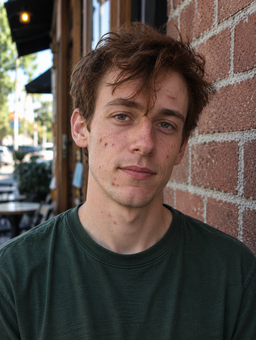
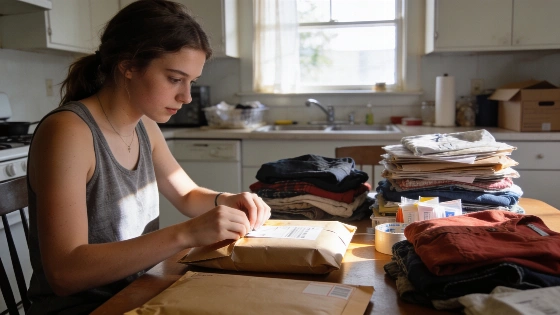
Nicole Bjornsen, an 18-year-old college student in California, has used her interest in secondhand clothing to support families facing food insecurity in San Mateo. Since starting her resale initiative, Sweet Balance & CareLink, in May 2026, Bjornsen has mailed more than 261 clothing items to buyers nationwide, generating $1,654 in proceeds, according to Upworthy and independently repeated by Parade.
The funds are split evenly between preparing fresh family meals and supporting Samaritan House, a food bank and community center in San Mateo that works to address poverty. Bjornsen delivers food donations herself and sees the impact of her efforts in her own community. At the time of the October 2026 coverage, her project had helped more than 50 families access nutritious meals and provided over 200 meals in total. The reported average proceeds per shipped item were about $6.34, and the average support per family was about $32.88, though actual distributions varied as funds were divided between meal preparation and donations to Samaritan House.
From family experience to community action
Bjornsen’s motivation to address food insecurity grew from personal experience. Her grandmother, who immigrated from Ukraine and lived with the family for several years, faced challenges accessing nutritious food and medical care due to diabetes. Bjornsen helped with medical appointments, translation, medication reminders, and meal preparation until she was about 16. This experience showed the barriers many people face in meeting basic nutritional needs.
She also prepared Kazakh meals for a woman named Madina's mother, who was unable to cook for herself due to illness. For Bjornsen, providing familiar food offered comfort and a sense of home, reinforcing the importance of her work. Bjornsen told Upworthy she is "really interested in how food costs affect families, and who gets left behind when prices go up."
Building a sustainable model
The project began with clothing from Bjornsen’s own closet and expanded through donations from friends, relatives, fellow students, local secondhand shops, and Buy Nothing groups on Facebook. She manages every aspect of the operation, including photographing, listing, sorting, and shipping orders through the Depop app. The charitable model depends on donated inventory and volunteer labor, with Bjornsen handling each operational stage herself. This reduces paid overhead but makes the model dependent on her capacity and continued access to inventory.
Bjornsen advises others interested in local action to start with what they already have and focus on a cause close to home. Her first $1,000 in proceeds took about four months to raise, but the pace increased as her commitment became visible to others. The project has also provided her with practical business skills in pricing, marketing, and logistics. Bjornsen hopes to continue growing Sweet Balance & CareLink and remains focused on expanding the reach of her initiative. The broader context of food affordability in the United States is highlighted by the Urban Institute’s SNAP Meal Gap dataset, which measures the gap between the average cost of a moderately priced meal and the maximum Supplemental Nutrition Assistance Program (SNAP) benefits at the county level. This illustrates why privately raised meal funds like Bjornsen’s may help address structural affordability gaps (Urban Institute Data Catalog).
For more on Bjornsen’s project and its impact, see the original coverage at The Cool Down.