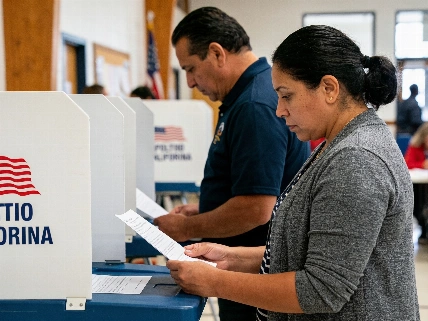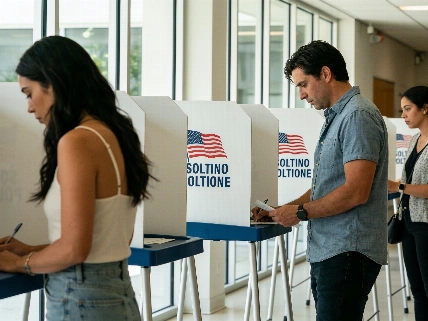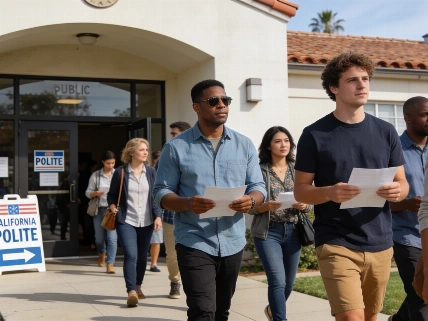

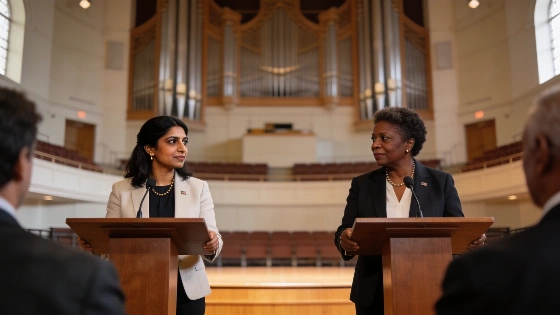
Mounting frustration with city services and a noticeable drop in quality of life have pushed the Los Angeles mayoral race into a statistical tie, according to a poll from the LA Times and the UC Berkeley Institute of Governmental Studies. The survey, conducted online in English and Spanish between October 19 and 25, 2026, reached 2,197 likely city voters. Both Nithya Raman, a city council member aligned with the Democratic Socialists of America (DSA), and incumbent Mayor Karen Bass each drew 40% support among likely voters. Released October 28, the poll carried an approximately three-percentage-point margin of error, putting the race at a statistical standstill. Nineteen percent of respondents remained undecided just days before the November 3 general election, highlighting the contest's volatility. This marked a sharp shift from the same pollsters’ late-September survey, which showed Raman ahead of Bass by 11 points, 39% to 28%.
Los Angeles, the second-largest city in the United States, faces growing discontent over persistent road damage and homelessness. The annual survey from the UCLA Luskin School of Public Affairs found that residents' satisfaction with life in LA County has dropped to its lowest level since the survey began in 2016. Declines appeared across all measured areas, including health care and public safety.
Political shifts and campaign strategies
Raman, who once supported Bass's reelection, launched her own mayoral campaign in February after public sentiment worsened. In the June 2 primary, Bass received 34% of the vote, Raman 29%, and Republican Spencer Pratt 26%, sending Bass and Raman to the runoff while Pratt finished third. The October poll showed Bass gaining ground among Pratt's former supporters: 41% of Pratt primary voters said they planned to support Bass, up from 22% in September, while only 14% backed Raman and 45% remained undecided. This movement among Pratt voters and the drop in undecided voters from 33% in September to 19% in October were key factors in the tightening race, as reported by NBC Los Angeles and CBS Los Angeles.
Raman's campaign has centered on tenant protections and expanding public transit and bike lanes. She has also pushed to reduce housing costs. As chair of the City Council's dwellings and homelessness committee last year, she advocated for stricter rent regulations. Her "pothole politics" approach focuses on addressing daily concerns of residents and managing the city budget to avoid cuts to public services. The campaign has faced controversy: during an October interview with a social media influencer, Raman said, "Only you can stop fascist liars," as an image of Mayor Bass appeared on screen. Critics questioned whether the remark targeted Bass, but Raman clarified that "fascist" referred to Immigration and Customs Enforcement (ICE).
Incumbent's record and broader implications
Mayor Bass has acknowledged the city's challenges and pointed to a 47% drop in homicides since she took office as a key result. Her campaign has criticized Raman for supporting police budget cuts during the 2020 council race and for voting against increasing the number of officers. Bass's approval ratings took a hit after a major wildfire in January devastated the Pacific Palisades area.
Both campaigns used the late-October poll’s findings to their advantage. Bass’s team argued that the numbers showed she had erased Raman’s earlier double-digit lead, while Raman’s campaign countered that Bass had not led an individual public poll since August and maintained that an aggregate of publicly available polls still showed Raman ahead, as reported by Spectrum News 1 California. The remaining 19% undecided share left the race highly sensitive to late endorsements and turnout operations in the final days before the runoff.
The outcome of this race could further expand the DSA's influence in major U.S. cities. If Raman wins, both Los Angeles and New York—the two largest cities in the country—would be led by DSA-affiliated politicians, as noted by The Wall Street Journal. The DSA's reach is also growing in other cities, with Janice Lewis George in Washington, D.C., and David Morales in Providence, Rhode Island, both running for mayor with DSA support.
For more on how mayoral decisions affect renters and housing affordability in Los Angeles, see this earlier breakdown.