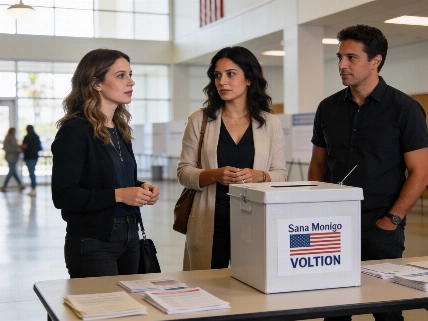
Polyamorous adults in West Hollywood can now seek official recognition after the City Council voted unanimously on November 2, 2026, to create a domestic partnership registry for groups with more than two people. The five-member council, with Mayor John Heilman presiding, approved the ordinance 5-0. It was set to take effect 30 days after passage. The new rule lets throuples, foursomes, and other groups of three or more adults register with the city and receive certain legal protections. Mayor Heilman said the measure acknowledges that "there are some people now living in households where there are a throuple," according to the Los Angeles Times.
The ordinance grants registered partners rights such as hospital visitation and added tenant protections. For instance, landlords cannot terminate or refuse to renew a lease if a registered partner remains in the rental. Healthcare facilities and city-run jails in West Hollywood must also honor visitation rights for registered partners, unless security or facility rules require otherwise. Still, the ordinance does not provide all the legal rights that married couples or traditional two-person domestic partnerships have under California law. It does not cover inheritance, taxes, immigration, or statewide benefits. Its scope is limited to practical access and housing stability within the city, as outlined by the Los Angeles Times.
Eligibility and registration process
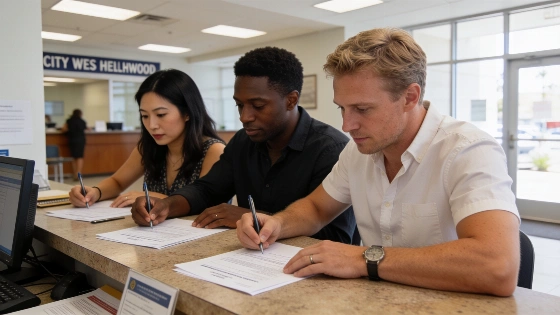
To register, all participants must be at least 18, give mutual consent, and not be related by blood in a way that would prevent marriage under California law. The relationship must involve sharing the "common necessities of life" and taking responsibility for each other's welfare. Participants file a statement with the West Hollywood city clerk and must notify the city if the relationship changes. People cannot be registered in another multi-partner domestic relationship at the same time. Residency in West Hollywood is not required; those living elsewhere may also register under the ordinance. The initial ordinance covers relationships with three or more people, but Councilmember Chelsea Lee Byers said she plans to propose future changes to allow multiple two-person partnerships to register, according to Los Angeles Times reporting.
Attorney Christina Fialho, founder of Rewrite the BiLine, first proposed the measure to Councilmember Chelsea Lee Byers in March 2025. Fialho called the law "just the beginning" and said, "I think it makes it possible for people to dream about a future they once thought was out of reach." The registry aims to address administrative systems built around two-person relationships, especially in housing, healthcare, and family recognition.
Broader context and community impact
The registry follows a March 2026 West Hollywood action that banned discrimination based on polyamorous status, family structure, or relationship structure. At that meeting, the council also asked city staff to develop details for a possible multi-partner registry. Councilmember Chelsea Lee Byers, who introduced the anti-discrimination measure and later backed the registry, described the two steps as separate but related local protections. This timeline shows the November vote capped a policy process that started months earlier, not a sudden move.
Supporters say the ordinance addresses obstacles faced by adults in multi-partner relationships, especially in housing and healthcare, where policies have long focused on two-person partnerships. Councilmember Byers called the protections "long overdue," pointing to rising costs and challenges in accessing services. West Hollywood is described as the first U.S. city to set up a registry specifically for polyamorous relationships, covering "triads, foursomes and other group relationships," as reported by Attitude.
Earlier this year, the City Council moved to recognize multi-partner partnerships and passed an anti-discrimination ordinance adding "family or relationship structure" as a protected class. This step aimed to protect people in polyamorous and other nontraditional households from discrimination in housing and healthcare. The council also formed a task force to work out how the registry would operate in practice.
Residents such as Megan Katz, a West Hollywood librarian, have described both the opportunities and concerns that come with public recognition of nontraditional families. Katz, who has two children with her "nesting partner" and another partner who lives elsewhere, told the LA Times she worries her children could face discrimination because of her family setup. "I do have some consternation," Katz said. "Once you're out, you can't put that cat back in the bag. You can't unring that bell."
Other cities like Berkeley and Oakland have moved to ban discrimination based on family structure, and some Massachusetts municipalities already recognize multi-partner domestic partnerships. The California Family Council, a conservative religious advocacy group, has opposed such measures, calling support for polyamorous relationships "cultural suicide."
For more on how local government decisions affect renters and housing policy, see this earlier report.