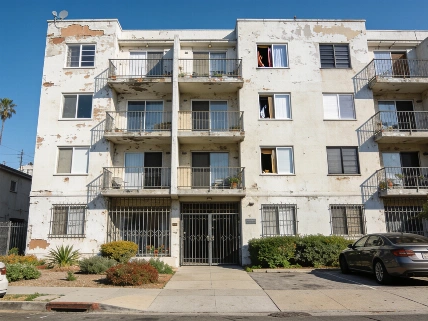

Hawaii's Act 278 now covers nearly half a million residents in rental housing, requiring landlords to offer free mediation before moving forward with eviction for unpaid rent. The law, officially Senate Bill 825, Senate Draft 2, House Draft 2, Conference Draft 1, "Relating to Eviction Mediation," was signed by Governor Josh Green on July 2, 2025, after legislative review that started in January and ended with final passage in April. Under Act 278, landlords must give tenants a 10-day notice offering mediation before filing for eviction. If tenants request mediation within that period, landlords must take part. Earlier drafts of the law proposed extending the notice period for unpaid rent from five business days to 10 calendar days and required landlords to provide more details to tenants and mediation centers, signaling a shift toward preventing evictions through early intervention.
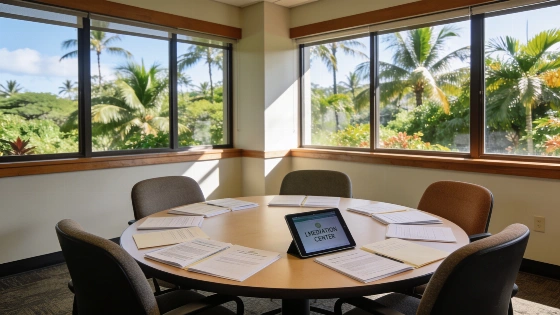
The mediation process aims to resolve unpaid rent disputes and help both sides reach an agreement. Sessions last 90 minutes and usually take place online, but in-person meetings are available for those without internet or who prefer not to use technology. Each party covers its own legal fees, but the mediation itself is free, funded by the state as part of Act 278. The Hawaii State Judiciary manages the program, and five community mediation centers statewide deliver the services. Hawaii's current approach builds on Act 57, which started during the COVID-19 eviction moratorium and set up a pre-litigation process for landlords and tenants. Lawmakers described Act 57 as a response to the expected rise in evictions after pandemic protections and rental aid ended, and it became the foundation for expanding mediation beyond emergencies.
How the mediation requirement works
Landlords who want to evict a tenant for non-payment must first fill out a notice form specific to the island where the property is located. This notice, along with a landlord intake form, is submitted online and sent to the right mediation center. The landlord must also give a copy of the notice to the tenant, either by mail or by posting it on the tenant's door. If the tenant does not request mediation within 10 days of receiving the notice-counted as two days after mailing or on the date of posting-the landlord can move forward with eviction. Legislative records discussed exceptions for tenants who cancel or miss mediation, showing that the law is meant to delay, but not block, eviction cases.
During mediation, a neutral mediator meets with both sides to discuss the amount owed, reasons for missed payments, and possible payment plans. If both parties agree, the terms are written and signed. If the tenant does not follow the agreement, the landlord can resume eviction and may include attorney's fees from mediation. Interpreters are available for those who need language help, and all sessions require confidentiality agreements. The Hawaii House Committee on Consumer Protection & Commerce reported that earlier mediation under Act 57 settled 85% of cases without court, and in the First Circuit, 85% of those settlements let tenants stay in their homes. These numbers come from the earlier program and show how pre-litigation mediation can help prevent evictions.
Program results and challenges
From February 5 to September 22, the program held 994 mediations. About 85% ended with written agreements, with 79% letting tenants stay in their homes and 88% involving payment plans that averaged four months. The number of notices has far outpaced early estimates, with 2,970 notices in the first seven and a half months-more than twice the expected yearly total. Many tenants and landlords are still learning about the program, and some tenants do not respond to mediation offers, which can lead to eviction. Maui's experience after the 2023 wildfires pushed for broader eviction mediation, with the Hawaii State Judiciary backing a pilot program to help tenants affected by the disaster and to offer an option after the governor's Maui eviction moratorium ended. The Maui pilot followed the Act 57 model, connecting disaster recovery, rent debt, and eviction prevention in shaping the policy.
For more details or to access required forms, the Mediation Center of the Pacific and the statewide network of community mediation centers offer resources at www.mediationcentersofhawaii.org. Legal Aid Society of Hawaii and the Office of Consumer Protection also provide information on tenant and landlord rights. The program is set to run through February 4, 2028, after which lawmakers will decide on making it permanent.
Attorney Tracey Wiltgen, Training Director for the Mediation Center of the Pacific, has been central to developing and running the program. For more on how housing policy changes affect vulnerable residents, see this earlier breakdown.
This article draws on information from KHON2. The content is for informational purposes only and does not provide legal advice. For legal help, consult a qualified attorney.