
California Democrats kept control of state government after the latest election, but now face immediate pressure to tackle a set of persistent problems. Recent polling from the Public Policy Institute of California (PPIC) shows 77% of Californians feel pessimistic about the state's economic outlook, and 82% see the country's direction in a negative light. Housing costs stand out as a major issue for 64% of respondents, and 76% say their incomes lag behind inflation. These numbers make clear that affordability and economic anxiety shape the public mood after the election, with widespread doubts about both state and national prospects. The PPIC also pointed out that voter enthusiasm and confidence could affect turnout in the 2026 election cycle (PPIC analysis).
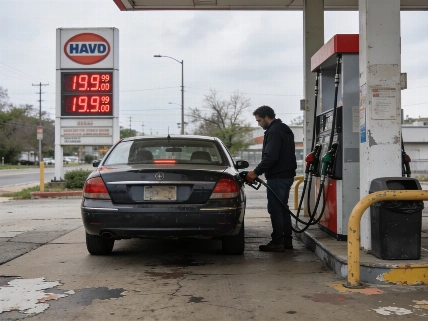
The state's new governor and legislative leaders step into office facing a severe budget deficit. Ongoing issues like housing unaffordability, homelessness, and rising energy and insurance costs remain unresolved. These financial pressures have become top concerns for voters, with more than half of Californians naming cost of living, inflation, and the price and availability of housing as the state's most urgent problems. Regional differences matter too: PPIC analysis shows southern Central Valley regions report some of the state's worst financial strain, while northern regions more closely match statewide views. This highlights that affordability pressures vary across metropolitan, coastal, and inland communities (PPIC Central Valley analysis).
Public mood and policy hurdles
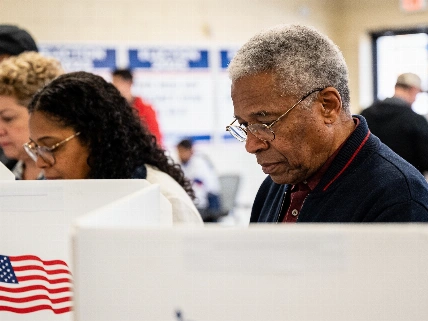
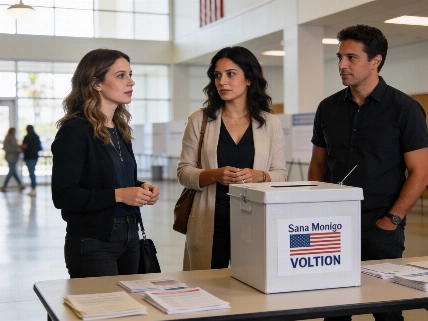
Mark Baldassare, survey director at the nonpartisan Public Policy Institute of California, described the public as being in a "pretty grumpy mood." Baldassare said dissatisfaction splits along party lines, with Democrats blaming President Trump and Congress, while Republicans point to Governor Gavin Newsom and Sacramento legislators. Despite these partisan divides, most Californians share concern about the state's economic outlook and want better government performance. The PPIC's election-day analysis also separated dissatisfaction with government performance from confidence in election administration, reporting that most likely voters remained confident California's electoral system would work properly and that congressional votes would be accurately cast and counted nationwide (PPIC election confidence).
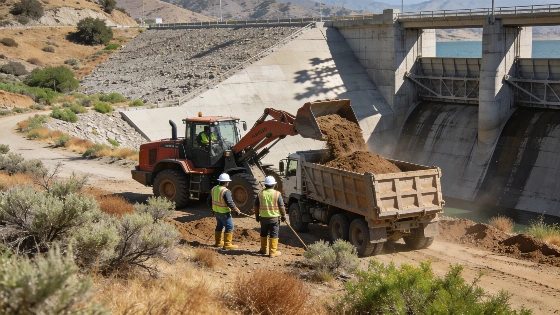
State leaders must make tough choices about the future of Medi-Cal healthcare for low-income residents and strategies to strengthen climate resilience. They also need to decide how to allocate costs for wildfire damage. The urgency of these issues shows in ongoing projects like the removal of sediment from Eaton Dam, which aims to restore its capacity to manage floodwaters and lower environmental risk.
Even with the current pessimism, California's economy still plays a major role in national job growth. According to a statement from Governor Gavin Newsom's office, the state added 129,300 net payroll jobs between September 2025 and September 2026. That accounts for about 26% of the 496,000 net payroll jobs added nationally during that period. The administration pointed to this as proof that California remains a key source of national job growth, even as public concern over costs and the state's fiscal position continues (Governor's Office statement).
With no expectation of a long honeymoon period, California's leadership faces growing demands to deliver practical solutions to the state's most urgent financial and social problems.