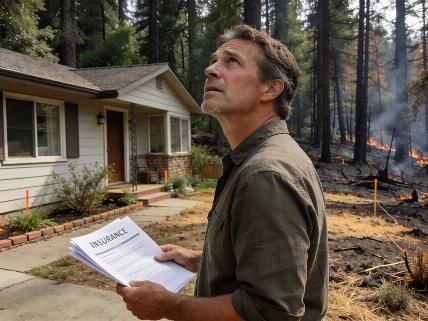

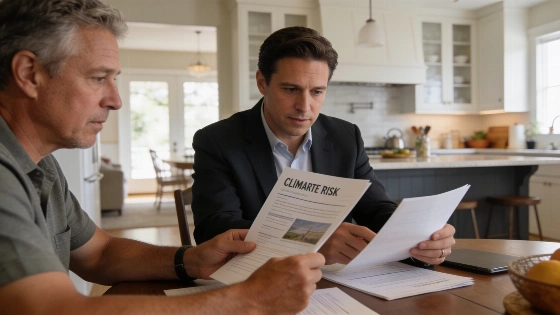
California insurance commissioner Ricardo Lara has introduced new rules for insurers to create long-term climate risk and solvency plans, with deadlines set for 2030, 2040, and 2050. These steps fall under the state's Sustainable Insurance Strategy, which the California Department of Insurance calls the biggest overhaul of the state's insurance market in three decades. The plan aims to give consumers more insurance options and strengthen the market against climate threats after years of wildfire-driven turmoil and insurer pullbacks in high-risk areas. Implementation brings in regulations that use the Safer from Wildfires framework for insurance pricing and risk transparency. The goal is to connect household and community mitigation spending with underwriting and premium decisions. The Department of Insurance says 12 insurance groups-including major homeowners carriers like Farmers and Mercury-have committed to stay or expand in wildfire-affected regions, covering 50,000 Californians in three counties. The department also points to reforms that include larger payouts for some claims, less paperwork from insurers, and extra help for people under evacuation orders, with these protections now signed into law by the governor. More details are available in the California Department of Insurance announcement.
At the Global Sustainable Insurance Summit during COP31 in Türkiye, industry leaders pressed insurers to use their pricing and risk models to push governments and businesses to invest in climate resilience before disasters strike. The summit, hosted by the Insurance Association of Türkiye (TSB) and UNEP, centered on the growing challenge of keeping insurance available as physical climate risks rise.
Insurability and investment decisions
Butch Bacani, head of insurance at the UNEP Finance Initiative, warned that rising physical risks threaten both the availability and affordability of insurance. He said insurability is now a key factor in lending and investment decisions, making insurers' risk management skills more relevant across banking, investment, and public policy. Bacani added that the Insurance House, first launched at COP30 in Brazil, is set to become a permanent feature at future COP events.
Laurence Tubiana, chief executive of the European Climate Foundation and a key architect of the Paris Agreement, called for insurers to make premium discounts for risk-reduction measures large enough to change behavior. She also urged the industry to speak more directly about the real scale of climate risk. Astrid Schomaker, executive secretary of the Convention on Biological Diversity, said insurers should communicate the realities of climate and nature risks and reinforce those messages through pricing strategies.
Global and local initiatives
TSB secretary general Özgür Obalı pushed for better climate risk data and more investment in prevention. He pointed to Türkiye's experience in disaster risk management and agricultural insurance, as well as public-private partnerships, as possible models for other countries. TSB is joining the UNEP Principles for Sustainable Insurance and the Forum for Insurance Transition.
The summit also followed the announcement of an Insurance Partnership for Development between the UK government and the Insurance Development Forum, which aims to address protection gaps in emerging and developing economies starting in 2027.
For brokers, the push for larger and more consistent resilience discounts could give clients a financial reason to invest in risk reduction measures such as flood defences or wildfire mitigation. Brokers who help clients document these steps may be better positioned as insurers increasingly reward resilience and limit coverage where risks are unmanaged. For more on California's insurance market and climate risks, see this earlier report.