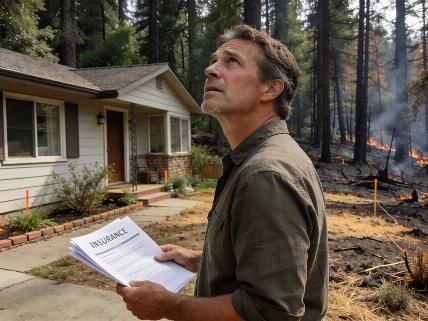

With forecasts pointing to a powerful El Niño season ahead, insurance and emergency management professionals in California are calling on homeowners to quickly create a video record of their belongings. This straightforward process, which takes about ten minutes, can help if storms cause property damage in the coming months.
Federal forecasters at the National Oceanic and Atmospheric Administration (NOAA) stated on November 12, 2026, that El Niño was intensifying, with more than a 79% chance that strong-to-very-strong conditions would continue through January to March 2027. El Niño brings unusually warm surface waters in the central and eastern tropical Pacific, which can shift atmospheric moisture and storm tracks, raising the risk of strong storms in California. Still, the forecast does not mean every area will see damaging storms, and local effects can differ widely. The NOAA Climate Prediction Center's advisory remains the main federal outlook for the event's expected strength and timing (NOAA ENSO Diagnostic Discussion).
Jackie Thornhill, communications manager for the San Francisco Department of Emergency Management, pointed out that El Niño gives residents a rare chance to prepare. Unlike sudden disasters such as wildfires or earthquakes, the predicted storms allow time to document homes before any damage. "You have a moment people are thinking about high risk," Thornhill said. "We see it as an opportunity to get people prepared."
How to create a video inventory
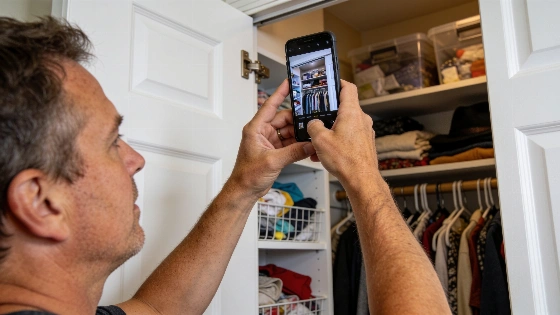
Steve Severaid, president of Greenspan Co./Adjusters International, suggests homeowners use a smartphone to walk through each room, opening closets and drawers while describing what's inside. The video should be saved somewhere secure, like a cloud service or a USB drive kept off-site. Severaid said a narrated video usually works for most insurance claims, and there's no need to write down every item. He stressed being thorough, since even towels or the contents of a junk drawer can add up in value.
The California Department of Insurance recommends filming furniture, appliances, electronics, computers, televisions, clothing, shoes, jewelry, tools, recreational equipment, collectibles, valuables, and all storage spaces. For electronics and appliances, Brian Schneider, president of Schneider and Associates Claims Services, advises zooming in on serial numbers and brand names. Receipts, appraisals, and packaging should be kept when possible, especially for antiques, gifts, or inherited items. Schneider also recommends recording the outside of the home, focusing on the roof's condition. Drone footage can help if available, as it gives extra evidence of the property's state before a storm.
Understanding insurance coverage and limitations
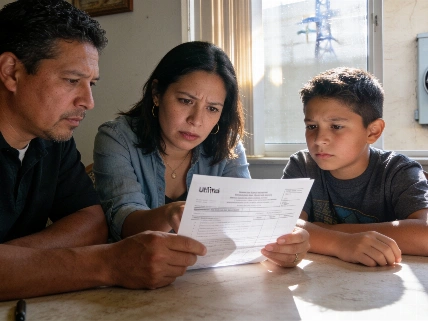
Many homeowners only find out about gaps in their insurance after a disaster. Allison Castro Hensley, senior deputy press secretary for the California Department of Insurance, said standard homeowners and renters policies usually do not cover flood damage. Only about 2% of Californians have flood insurance, and many policies require a 30-day waiting period. Water coming in through a storm-damaged window is typically covered, but water seeping in from the ground is not. Those in flood-prone areas should weigh whether flood insurance fits their budget.
Schneider recommends checking policy sublimits, which cap payouts for certain items or services. For example, the cost to remove downed trees can go well beyond the policy's sublimit, leaving homeowners with large out-of-pocket costs. Art, valuables, jewelry, and cash often have low sublimits too, so a separate insurance rider may be needed for significant assets.
What to do after storm damage
If a storm causes damage, homeowners should quickly document the aftermath with photos and videos. Schneider warns against throwing away damaged items before an adjuster has seen them. Items can be moved to a garage or backyard corner but should not be discarded. The Department of Insurance advises contacting your insurer right away and keeping a written record of all communications, along with receipts for emergency repairs, temporary housing, and related expenses.
For those wanting more detailed documentation, the California Department of Insurance offers a downloadable Home Inventory Guide, and the National Association of Insurance Commissioners provides a free app for creating and storing a digital inventory by room and category.
State and local agencies across California have issued preparedness guidance in response to the El Niño outlook. Caltrans District 4 told residents that while El Niño raises the risk of strong storms, it does not guarantee a wet winter or any specific storm, and recommended signing up for emergency alerts and understanding flood risk. The agency also noted the potential for coastal flooding during king tides, with high tide periods set for November 22-28, December 20-27, January 18-24, and February 16-24, 2027 (Caltrans District 4 guidance).
For more background on how El Niño is affecting California homeowners, see the earlier report.