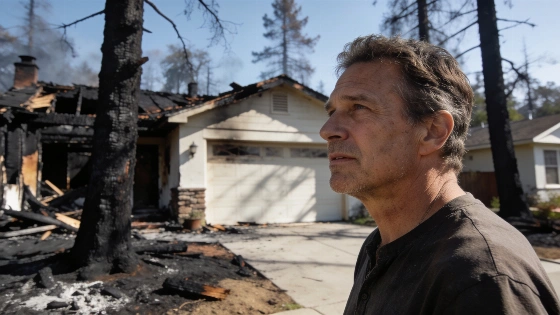
Wildfires, floods, and other disasters now strike California more often and with greater force, putting the state’s insurance markets under strain. Insurance Commissioner Ricardo Lara points out that home insurance affordability now connects directly to climate and economic pressures, moving beyond a simple regulatory matter. The California Department of Insurance links the health of forests, wetlands, and watersheds to how often disasters hit, how severe they become, and what they cost, showing how ecosystem health shapes insurance prices. On October 27, 2026, Commissioner Lara finalized the Long-Term Solvency Planning Regulation, which requires California-based insurers to assess long-term threats like climate change, artificial intelligence, cyber risks, and technological disruption. This rule covers insurers headquartered in California, with extra requirements for those writing over $50 million in direct annual premiums nationwide. The regulation aims to make sure insurers address their financial strength and operations, as well as investments and underwriting, before new risks threaten their ability to pay claims. It does not change existing policies, coverage, or consumer rates, but it does require insurers to submit their first long-term solvency plans to Department of Insurance examiners by January 1, 2028. The Department describes the regulation as supervisory, with no action needed from consumers and no change to the rates they pay. California Department of Insurance
Lara’s time in office shows that climate risk has changed the job of insurance regulation. The work now includes helping communities adjust to a future where catastrophic events happen more often and cost more. He notes that insurance, while a strong financial tool, cannot be the only protection against disaster losses. Commissioner Lara stresses that when a family loses a home in a wildfire, a driver faces a serious accident, or a business suffers a covered loss, people expect their insurer to have the resources to pay claims quickly and in full.
Beyond insurance: Building resilience
Lara says insurance was never designed to replace proactive steps like stronger building codes or better land-use planning and forest management. He argues that the real challenge is resilience—cutting risk before disaster hits, instead of relying only on financial recovery afterward. This thinking led to the creation of the California Green Ribbon Commission on Nature, Biodiversity and Insurance, which Lara announced on October 26, 2026, during the Seventeenth Conference of the Parties to the Convention on Biological Diversity in Yerevan, Armenia. The commission will study how natural systems such as forests, wetlands, and watersheds affect disaster frequency, severity, insurance costs, and long-term economic security. Its members will come from insurance, biodiversity science, conservation, Indigenous stewardship, finance, climate adaptation, engineering, and public policy. The initiative shows a broader regulatory view that insurance-market stability partly depends on ecological conditions and risk-reduction efforts outside the insurance sector. Green Ribbon Commission announcement
With a new election cycle ahead, Lara urges voters to question promises of lower premiums that ignore the root risks. He says keeping insurance both affordable and available is a tough but necessary job. Government, he adds, plays a key role in supporting resilience, but cannot remove catastrophe risk or act as a property insurance provider. The Department of Insurance states that the Green Ribbon Commission will offer practical recommendations to improve understanding of how nature shapes risk, while finding ways to strengthen resilience, support biodiversity, and improve long-term economic results.