
Homeowners in California's wildfire zones face a new approach from insurers when it comes to smoke damage claims. Assembly Bill 1795, called the Smoke Damage Recovery Act, brings a set of protections and requirements for residential policyholders dealing with wildfire smoke. The law takes effect January 1, 2027.
With this law, if wildfire smoke, ash, soot, char, or combustion byproducts are found in a home within a designated "wildfire impact zone," there will be a rebuttable presumption that wildfire caused the damage. The zone includes ZIP codes that are fully or partly inside the fire perimeter. This change aims to help residents show the source of smoke damage when they file claims.
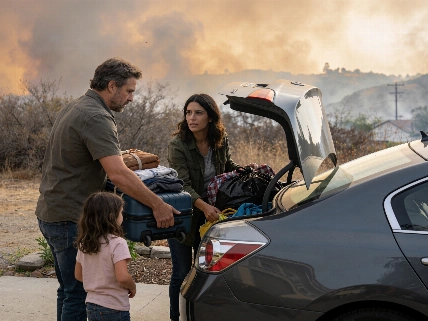
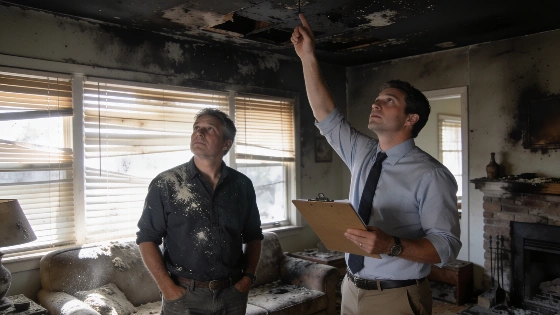
Recent disputes show the real-world problems the law targets. After the Norte Fire in Orange County, homeowners said the California FAIR Plan, the state's insurer of last resort, required them to clean furniture before considering deeper cleaning or replacement. Additional inspections and testing could take four to six weeks. Temporary housing coverage was reportedly capped at two months, and a FAIR Plan official said only one-fifth of remediation costs would be covered. Homeowners worried about delays in returning home until properties were certified safe, which highlights the need for clear standards and timelines for remediation and habitability certification.
Smoke-damage disputes have led to lawsuits. In January 2026, two policyholders sued the California FAIR Plan, alleging bad-faith handling, breach of contract, and unlawful denial or underpayment of smoke-contamination and loss-of-use claims tied to the January 2025 Los Angeles wildfires. These cases point to broader friction in the insurance market, where wildfire risk has made property coverage harder and more expensive for many Californians.
Coverage and Restoration Standards
Insurers will not be allowed to end additional living expense coverage before a property is restored to its pre-loss condition and officially cleared for occupancy, as long as the policy limit allows. Restoration must address structural elements and building systems, as well as contents and the indoor environment. It does not cover vegetation, soil, or upgrades beyond the property's original state. Insurers must pay for necessary sampling and testing, subject to policy terms. The California Department of Insurance has previously said insurers are expected to investigate smoke claims properly and pay for professional testing when needed, but this guidance does not guarantee a claim will be paid.
Deadlines for Inspections and Payments
Insurance companies that choose to inspect a property must do so promptly, and no later than 30 calendar days after receiving notice of a claim or after gaining access if government restrictions delay entry. If the policyholder does not agree to insurer-arranged restoration, undisputed actual cash value payments for personal property restoration must be made within 30 days of inspection. For personal property deemed a total loss, payment is due within 30 days of that determination. Replacement-cost payments for restoration are due within 30 days after work is completed, up to policy limits, and replacement costs for covered personal property must be paid within 30 days of receiving a purchase receipt. Statutory interest will accrue on late payments.
Contractor Choice and Professional Standards
Policyholders will keep the right to choose their own restoration contractor. Any vendors hired or referred by insurers must have all required state licenses and certifications. If recontamination happens after restoration and occupancy clearance, it will be treated as a new claim with a new deductible, not as a reopening of the original claim. By July 1, 2029, the Department of Insurance must develop mandatory smoke-damage training and certification programs for both insurer-side and public adjusters. Cal/OSHA is also required to propose new worker-protection regulations, including certification requirements, by that date.
Reviewing Insurance Gaps and Emergency Response
The Act calls for studies into insurance gaps and emergency-response issues highlighted by the Lineage warehouse fire, with reports due in December 2027 and July 2028. These studies will look at possible new coverage triggers, such as voluntary evacuation, but do not themselves create new coverage rights.
Smoke contamination has become a major claims issue in California, especially after the January 2025 wildfires, which led to industry estimates of up to $40 billion in losses. According to JS Held's Environmental Business Journal interview, claims involving smoke infiltration, soot, char deposition, and combustion byproducts are increasingly complex and costly, requiring defensible testing and remediation protocols. The California FAIR Plan remains a key insurer of last resort for homeowners unable to get coverage in the traditional market. Smoke-only damage, testing standards, remediation costs, and additional living expenses continue to be central points of conflict. For more background on the changing legal and insurance landscape, see this in-depth analysis.
Smoke-damage disputes have also moved into public-policy debates and litigation involving local governments. In one case, Pasadena settled with residents who alleged inadequate inspections of homes contaminated by toxic smoke, ash, and soot from the January 2025 Eaton wildfires. This further shows the broad impact of wildfire smoke on California communities.
For context on how California lawmakers have previously addressed disaster-related challenges, see this earlier breakdown.