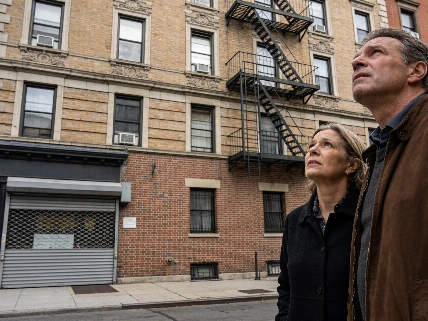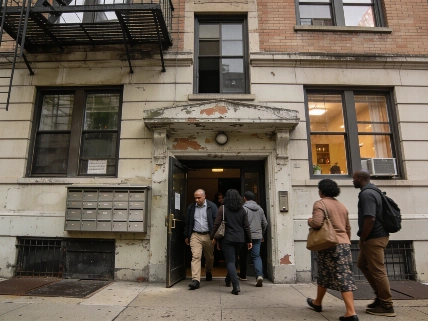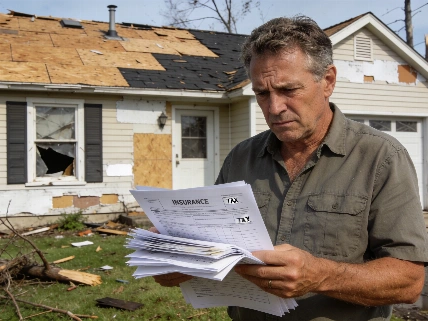

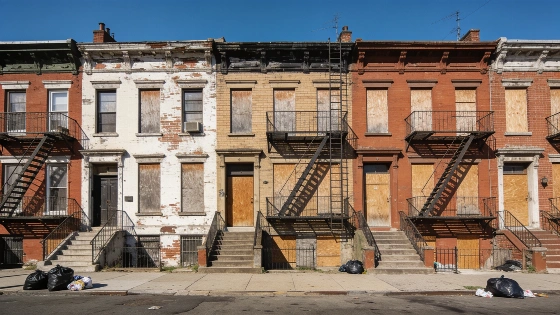
The recent foreclosure auction for 27 rent-controlled buildings in East Harlem drew just one bid, making clear that properties unable to generate income no longer attract buyers, even at reduced prices. These buildings now remain in limbo, leaving tenants with little clarity about what comes next as city leaders press ahead with rent freeze measures. According to a November 2026 City Record notice, New York City holds online auctions for municipal property in partnership with GovDeals.com, and all auctions are open to the public.
New York City's renewed push for rent freezes, led by Mayor Zohran Mamdani and the Democratic Socialists of America, brings back a strategy that once triggered severe housing shortages and declining living standards. The city's Rent Guidelines Board (RGB), created under New York State's Rent Stabilization Law of 1969, is the official body that sets annual rent adjustments for rent-stabilized apartments-a system that covers about one million units. The RGB has nine members: two tenant representatives, two owner representatives, and five public members, all appointed by the mayor. The board holds public hearings and reviews research, testimony, and evidence from tenants, owners, advocacy groups, and industry experts before voting on rent adjustments. In 2022, the RGB approved increases of 3.25% for one-year leases and 5% for two-year leases, the highest since 2013, when increases were 4% and 7.75%. The 2022 decision passed by a narrow 5-4 vote and drew criticism from both tenant and owner groups-tenants raised affordability and homelessness concerns, while landlords said the increases failed to cover rising costs. The official city record ties the debate to New York City's slow recovery from the COVID-19 pandemic. (NYC Council official record)
Historical Impact of Rent Freezes
Rent control in New York began in the late 1940s, when postwar housing shortages and rising rents led the city to freeze rents on most apartments. While tenants who stayed put benefited, the policy did little to create affordable housing for newcomers. Developers responded by building upscale units that sidestepped rent restrictions, so the supply of modest apartments stayed flat. By the 1970s, about 2 million apartments were still under rent freeze rules.
During this era, landlords faced higher costs for utilities, maintenance, insurance, and especially property taxes, which rose from 2.25 percent in 1955 to about 6 percent by 1971. As inflation picked up in the 1970s, many landlords could no longer afford to keep up their buildings. Some converted rentals into cooperatives or condominiums, often pushing out less wealthy tenants. Others simply walked away, letting the city seize properties for unpaid taxes. The number of available rental units dropped sharply. Official records from the New York City Property Information Portal show that, during the 1970s, dozens of parcels went through foreclosure-by-action-in-rem, with title passing to the city in 1976 and 1977, marking a broad shift of distressed properties into municipal hands during this period.
Abandonment, Arson, and Loss of Housing
Empty buildings became magnets for illegal activity and, in many cases, targets for arson. Weak insurance oversight let some landlords and organized crime groups profit by burning down unprofitable buildings. The fires grew so intense in the Bronx that sportscaster Howard Cosell famously said, "the Bronx is burning," during the 1977 World Series. Over the 1970s, New York City lost more than 200,000 rental units, with the Bronx alone accounting for half that number. Many more units vanished through demolition or conversion to other uses, leaving renters with fewer choices.
While rent freezes were not the only cause of the devastation-factors like poor insurance regulation and the city's fiscal crisis also played roles-the long-term effects of strict rent controls were clear. In response, state and city officials in the 1980s began easing regulations to spur new rental housing supply.
Current Policy Risks and Tenant Uncertainty
Now, the city faces renewed pressure as the Rent Guidelines Board's freeze on increases risks repeating earlier mistakes. Landlords already deal with rising costs for maintenance, utilities, insurance, and property taxes. Over the past six years, maintenance worker wages have climbed more than 25 percent, while utility and fuel costs have jumped about 45 percent and insurance nearly 30 percent. Police and fire departments are better equipped than in the 1970s and insurers now screen more carefully for arson risk, but the financial squeeze on landlords is growing.
Some city officials have suggested seizing properties from struggling landlords, but tenants could end up in city-run buildings that have faced criticism for poor conditions. As New York City Public Advocate Jumaane Williams noted after inspecting several such properties, the city itself has become one of its "worst landlords."
New York's experience often comes up in national debates over rent control. As reported earlier, international research has found that while rent control can help some tenants, it often leads to reduced housing supply and higher costs elsewhere.
The failed East Harlem auction and the city's ongoing policy debate highlight a central economic fact: when housing becomes unprofitable to operate, the supply of rental units drops, and both landlords and tenants face growing challenges.