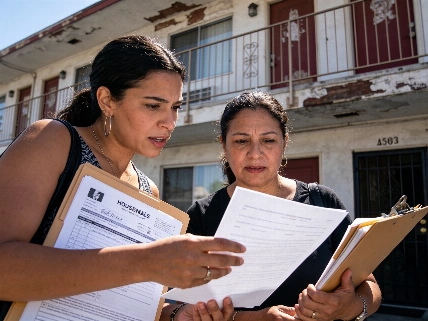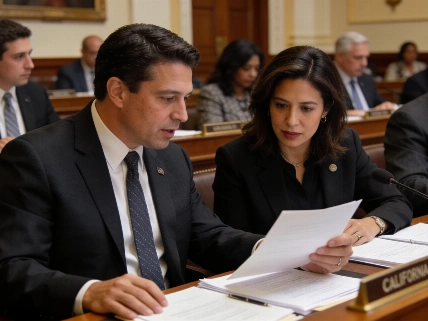


Major cities including Los Angeles, New York City, Seattle, Washington DC, and Providence have recently elected mayors who identify as democratic socialists, signaling a change in leadership for some of the country's largest urban areas. These officials-Nithya Raman in Los Angeles, Zohran Mamdani in New York City, Katie Wilson in Seattle, Janeese Lewis George in Washington DC, and David Morales in Providence-have committed to policies that reach beyond standard progressive agendas.
All five back rent control, though their stances often reflect established local approaches. Los Angeles, New York City, and Washington DC have enforced rent control for years. Seattle faced a state law blocking local rent control, but new statewide limits on rent hikes have shifted the situation. Providence stands out after Morales unseated an incumbent who vetoed a rent control ordinance; Morales now pushes for a 4% annual cap on rent increases to help working residents avoid displacement.
Social housing and public investment
These mayors have set themselves apart by strongly supporting social housing-publicly, nonprofit, or cooperatively owned homes kept affordable for residents. Seattle voters approved city-run social housing before Wilson took office, and Mamdani's "Block by Block" plan in New York City calls for major investment in affordable housing construction and preservation. The New York City Law Department reports that Block by Block aims to build 200,000 new affordable homes and preserve another 200,000 over the next decade, with a proposed $22 billion capital investment in affordable housing over five years. The plan also brings land-use reforms to speed up housing development and cut building operating costs, combining tenant protection, preservation, new construction, and enforcement against landlords who repeatedly violate rules. The administration has launched a public-financing tool, with a reported groundbreaking for 134 homes at a long-vacant Brooklyn site, as part of its move toward specific financing and construction mechanisms. Morales argues Providence should avoid relying only on private developers, while Lewis George has pledged to launch Dignified Homes DC to build publicly owned, mixed-income housing. Raman has outlined plans to use public funds and city-owned land to create housing under public control, with residents involved in management. Both Raman and Wilson have also recognized the ongoing role of private-sector development, with Wilson working to simplify housing production and stating the need for more private market construction to address shortages.
Permitting and business reforms
Several of these mayors have focused on making it easier to build housing and run businesses by changing permitting processes. Mamdani's OPEN for Small Business initiative cut dozens of rules, including outdated requirements for restaurants, and he supported a ballot measure to simplify construction approvals. The New York City administration has paired its housing strategy with land-use reforms to simplify development. Lewis George has promised a digital portal for licensing and regulatory needs in DC, while Raman has called for faster commercial permitting and easier outdoor dining approvals. Wilson has set up a task force to review permitting reforms in Seattle. Morales is the exception, with no major permitting reform proposals highlighted in the available reporting.
Transit priorities and targeted aid
On public transit, these mayors have generally supported expanding service and providing targeted assistance rather than universal free transit. Mamdani campaigned for free bus service in New York City, but implementation depends on state cooperation, leading to a joint plan to improve bus service instead. Lewis George has advocated for free transit for SNAP recipients in DC, and Wilson led a successful sales tax measure to fund expanded transit and subsidies for low-income riders. Morales supports more investment in Providence's transit system and free bus passes for students. In Los Angeles, Raman focused on improving Metro management and bus service, while her predecessor had called for universal free transit.
These developments show a mix of ideological ambition and practical adaptation to local realities. The mayors' willingness to pursue permitting reform and targeted transit aid, along with strong support for social housing, sets them apart from standard progressive officials. For more on the political context in Los Angeles, see this earlier breakdown.