With Nithya Raman set to become Los Angeles mayor, the city faces growing demands to tackle housing affordability. Advocacy groups and policy organizations want Raman to take direct steps for low- and moderate-income residents, focusing on stronger tenant protections, keeping existing affordable housing, and building more affordable units.
Housing Is A Human Right, an advocacy group, has laid out a plan built around two main priorities: protecting tenants and preserving affordable housing. The group says these actions target residents most affected by rising rents and the city's homelessness crisis.
Calls for Immediate Policy Action
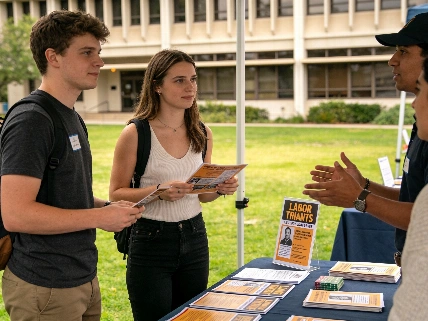
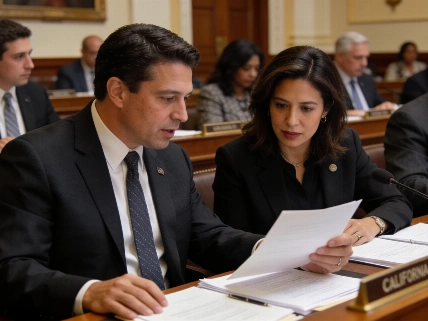
Advocates want Raman and her team to work with housing justice activists and tenant unions to pinpoint urgent needs and policy changes that work. They also recommend bringing in a veteran housing justice activist as a top advisor, following the approach of New York City Mayor Zohran Mamdani. Raman is also being pushed to back Los Angeles City Council efforts to regulate algorithmic rent-fixing software, which has been tied to higher rents in cities nationwide. San Francisco, Berkeley, San Diego, and Santa Monica have already banned this technology, but Los Angeles has not yet adopted similar rules.
Advocates also push for reform or repeal of the Costa-Hawkins Rental Housing Act, a state law that limits local rent control. If state lawmakers change it, Los Angeles could update its rent-stabilization ordinance to better shield renters. Economists and housing experts cited by Housing Is A Human Right say rent control is both effective and needed to counter what they call predatory tactics by large real estate interests.
Preserving Affordable Housing and Preventing Displacement
Keeping existing affordable housing remains a major concern. Raman is being asked to support changes to the Ellis Act, which has let landlords and developers tear down rent-controlled buildings in Los Angeles. Research from the Coalition for Economic Survival and the Anti-Eviction Mapping Project shows the city lost 31,824 rent-controlled units between 2001 and 2026 due to Ellis Act-related demolitions.
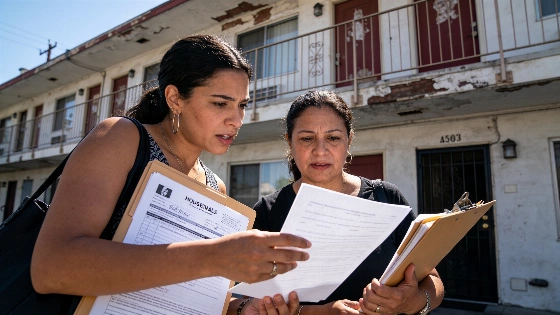
Advocates also point to the need to protect moderate- and lower-income neighborhoods from gentrification and displacement. They suggest updating the Los Angeles Index of Neighborhood Change and the Index of Displacement Pressure, which track gentrification and displacement but have not been refreshed in years. These tools could help city officials spot changes and step in when needed.
Accelerating Affordable Housing Production
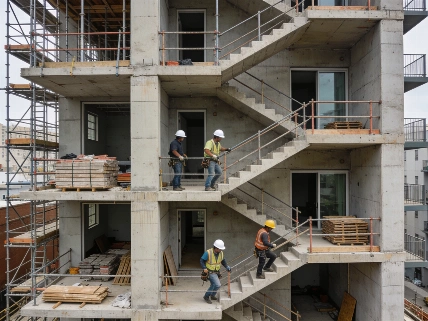
To boost the supply of affordable and permanent homeless housing, advocates propose adaptive reuse of existing buildings and using prefabricated housing. They stress that City Hall needs to speed up permitting and approval, which now slows construction for long stretches. The mayor can direct department managers to move these processes faster and hold them responsible for results.
Finding more funding for affordable housing development is also seen as crucial. Developers often run into financial hurdles that stall or stop projects meant for low- and moderate-income residents.
For more background on how mayoral policies affect renters and affordable housing in Los Angeles, see this earlier breakdown.