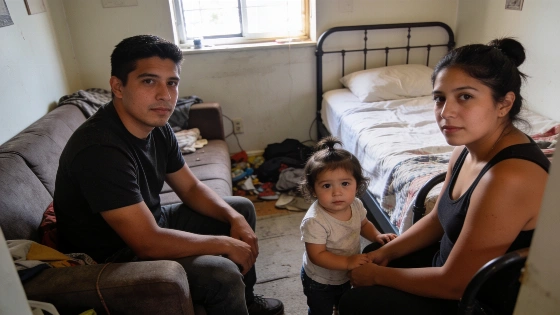
In a cramped one-bedroom accessory dwelling unit in Pacoima, Cesar Contreras and his family deal with the daily reality of Los Angeles' housing shortage. With a 1-year-old son and limited space, Contreras and his partner switch between the couch and a twin bed, unable to afford a larger apartment without giving up most of their income. Their situation shows what many residents face as the city's housing affordability crisis grows more severe.
Mayor-elect Nithya Raman, an urban planner and Los Angeles City Councilmember who won the November 3, 2026 mayoral election and is set to take office on December 14, 2026, has put housing reform at the center of her administration. Raman's platform focuses on increasing the city's housing supply and preserving and strengthening renter protections. Her proposals include a mandatory timeline for city housing approvals, requiring zoning-compliant projects to be processed within 60 days and those needing discretionary review within 120 days. This would cut the city's reported average permitting timeline of about 18 months, according to Daily Bruin reporting. She also plans to update zoning rules to allow more duplexes and triplexes near public transit, and to reduce some development fees for projects that include affordable units. These steps aim to lower barriers for building homes at different income levels and address both processing delays and project costs.
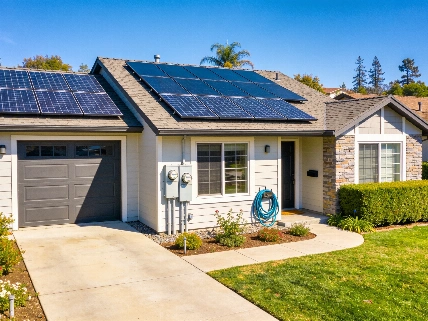
Raman's campaign has promoted increased market-rate construction alongside affordable housing, based on the idea that Los Angeles faces a general shortage of homes. Her platform also includes proposals to let accessory dwelling units (ADUs) be sold separately by opting into California Assembly Bill 1033, a state law that allows separate ADU conveyance when local governments approve it. As of her election, these proposals still needed action by the City Council or administrative steps and had not yet been put in place.
Plans for Tenant Protections and Bureaucratic Reform
Raman has called for creating an Office of Tenant Protections within the city's Housing Department. This office would coordinate enforcement of existing renter protections, offer case management, and connect eligible tenants with legal support. Reporting from Spectrum News 1 notes that Los Angeles already provides renter-protection programs and enforcement services, so the proposed office is described as an organizational and enforcement reform to strengthen the city's ability to protect tenants.
Jesse Zwick, Southern California director of the Housing Action Coalition, points to the city's long permitting and approval process as a major obstacle to new housing. Delays can drive up construction costs, making it harder for families like Contreras' to find affordable options. Zwick said that previous administrations sometimes backed away from promising housing policies when faced with political opposition, a pattern that has frustrated advocates seeking lasting change. As reported earlier, housing advocates have pushed for stronger tenant protections and more affordable units as key priorities for the incoming mayor.
Challenges Ahead for Policy Implementation
Efforts to simplify housing construction are not new in Los Angeles. Outgoing Mayor Karen Bass introduced Executive Directive 1 to speed up approvals for affordable housing, but some initiatives lost momentum when they met resistance. Raman's challenge will be to turn her campaign promises into policies that can withstand political pushback and work with the City Council and other departments responsible for housing approvals. According to USC Annenberg Media, Raman's housing and homelessness agenda is also tied to the 2028 Olympic and Paralympic Games, with a stated goal to reduce the number of people sleeping in tents and encampments by at least 50% before the Games and to build enough capacity to help people in long-term encampments move into housing by the end of her first term in 2030. Her homelessness platform proposes expanding time-limited rental subsidies, reorganizing interim housing, and deploying street-medicine and mental-health teams, as well as creating a public dashboard to track shelter beds, housing placements, and spending.
For families like Contreras', the outcome of these efforts is personal. Contreras hopes that permanent affordable housing will become available, giving his son the chance to grow up surrounded by family in the city they call home.