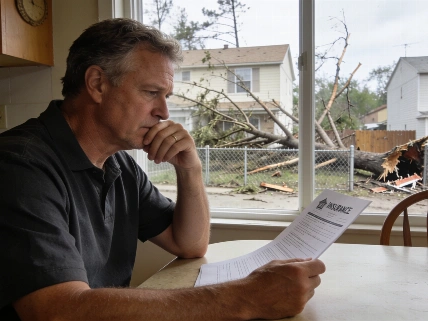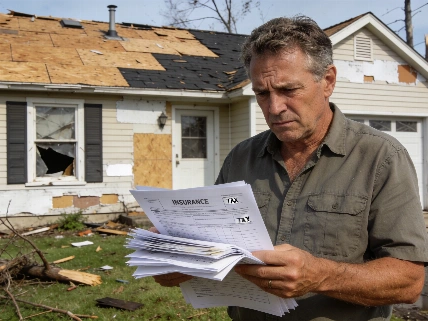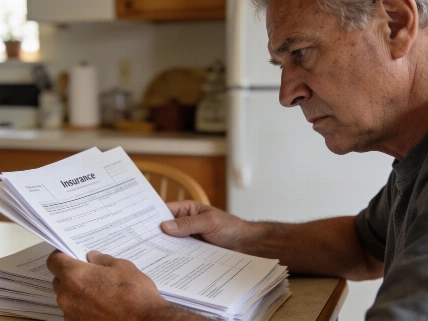
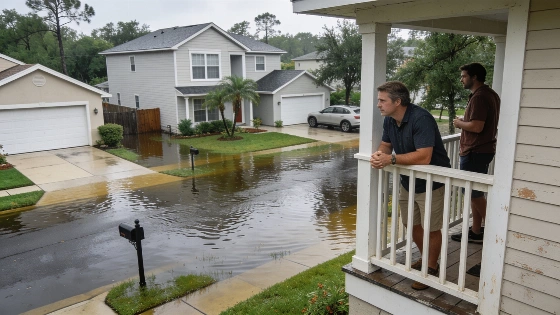
Scenes of flooded streets and scorched hillsides have become more frequent in recent years, and these events now influence how home insurance works across the United States. Insurers are adjusting their policies and pricing to reflect the rising threat of floods and wildfires tied to climate change. Standard homeowners insurance usually covers wind or fire, but flood protection is often left out and must be bought separately. This difference matters for homeowners weighing their risk.
Reporting first published on insurance.com shows the insurance market is shifting as companies reconsider the risks from climate-driven disasters. Many homeowners now pay higher premiums and, in some cases, face fewer coverage choices or tighter eligibility rules. These changes are already straining household budgets, yet many people may not realize how much climate change shapes their insurance costs and what coverage they can get. Regulatory responses and insurance market moves differ by state, with no single rule or insurer approach nationwide. The effects on premiums, coverage, and eligibility depend on local conditions, state regulations, and insurer decisions.
Understanding the new insurance landscape
As insurers respond to changing environmental risks, homeowners need to look closely at the details of their policies. Checking coverage limits, exclusions, and deductibles has become more important. Some experts suggest making home improvements that could limit damage from severe weather, such as reinforcing roofs or improving drainage. Still, these steps are not required by all insurers or regulators, and technical standards or insurer credit for such upgrades can vary by provider and location. Staying up to date on local climate risks can help homeowners make better insurance choices.
For those who want more direction, talking with insurance professionals and using resources focused on climate impacts and home insurance can offer useful information. The full report is available on insurance.com, part of the BLOX Digital Content Exchange.