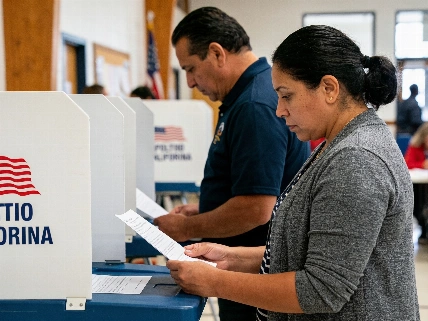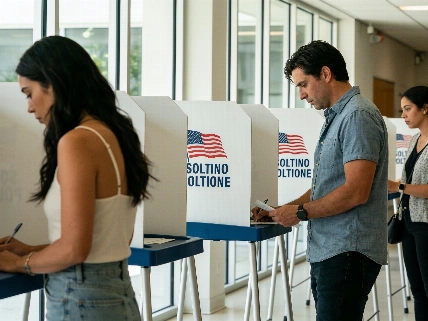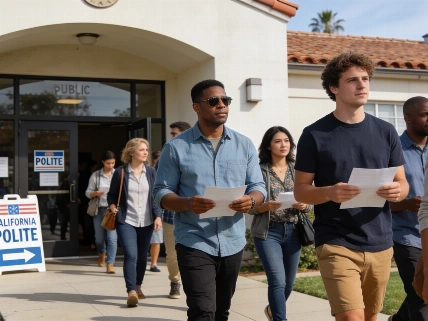

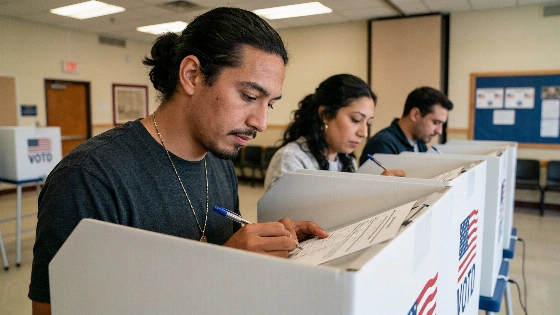
Salinas residents headed to the polls on November 3, 2026, to decide City Council seats in Districts 2, 3, and 5. The results would influence the city's direction on housing affordability, renter protections, and infrastructure. Each district had an incumbent seeking another term and at least one challenger, making for a competitive local race. The Monterey County Registrar of Voters handled the release of election results as they came in.
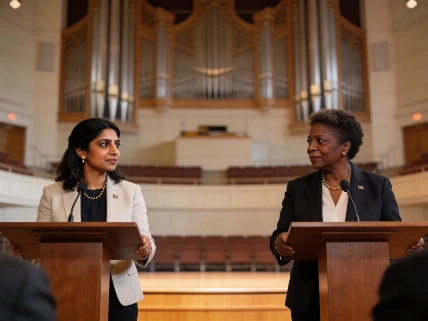
In District 2, Councilmember Tony Barrera faced Jose Guerra, a Monte Bella community resident. District 3 featured Councilmember Margaret D'Arrigo against business owner Cary Swensen and Brenton Bagley, who works as a construction project coordinator and operations consultant. District 5's race included Councilmember Andrew Sandoval and Irma C. Lopez, manager of a school family resource center. Housing affordability, renter protections, road conditions, and infrastructure priorities shaped the debates in all three contests, according to The Salinas Californian.
Key issues and Measure H
Concerns about housing costs and renter protections remained central for the city. Council decisions would directly affect rental registration, rent stabilization, tenant protections, and just-cause eviction policies. Voters also weighed Measure H, a referendum that put four city ordinances related to rental housing on the ballot. These ordinances addressed rental registration, rent stabilization, tenant protections and just-cause eviction, and tenant anti-harassment protections. A "yes" vote on Measure H would repeal the ordinances, while a "no" vote would keep them in place. The election guide pointed residents to the California Secretary of State for polling-place details and named the Monterey County Registrar of Voters as the official source for results.
Measure H stood out statewide as the only one among at least six California local housing measures in 2026 that aimed to repeal a city's existing rent-control and just-cause-eviction ordinances, as reported by Multi-Housing News. The debate over Measure H signaled a shift in Salinas from mandatory rental-housing regulation toward rental assistance and new apartment construction. Nicole Upano of the National Apartment Association said Salinas was moving away from the four ordinances and considering a focus on supporting renters' short-term needs and boosting housing supply.
District 3 was described as a three-way contest with a strong focus on infrastructure and housing policy. Incumbent Margaret D'Arrigo sought a second two-year term, while Brenton Bagley and Cary Swensen both called for more investment in the district's infrastructure. Bagley's platform tied infrastructure investment to affordable housing and renter protections, voicing support for maintaining and expanding balanced renter protections to prevent displacement. D'Arrigo was reported as backing innovative approaches for more affordable housing and efforts to reduce homelessness if reelected, according to Voices of Monterey Bay.
Infrastructure, especially the state of city roads, remained a major concern for candidates and residents. The outcome of these races would set the course for how Salinas tackles these issues in the years ahead. For more on how local government decisions affect renters and housing policy, see this earlier breakdown.
Polling for the November 3, 2026 election ran from 7 a.m. to 8 p.m., with voters directed to use the California Secretary of State's polling-place lookup or contact the state voter-information line for help. The election format included multiple candidates in District 3 and head-to-head contests in Districts 2 and 5. Certified vote totals and final results for the council seats and Measure H were to be reported by the Monterey County Registrar of Voters.