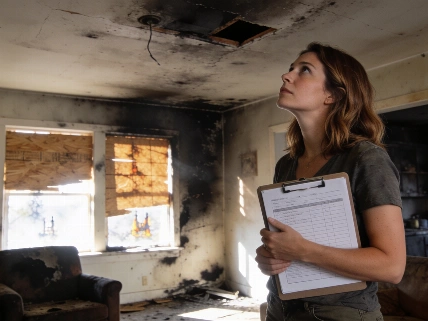

At the multifamily complex at 10781–1086 West 39th Street near Exposition Park, Latino families face eviction and ongoing building neglect. Residents and advocates accuse city agencies of failing to uphold local tenant protection laws. The Alliance of Californians for Community Empowerment (ACCE) organized a protest in heavy rain outside Los Angeles City Hall. Reverend Rae Huang, an ACCE member and associate director of Housing Now and the Housing Justice Coalition, joined the demonstration. Protesters called on the Los Angeles Department of Building and Safety to enforce rent stabilization ordinances and criticized the Los Angeles Housing Department for letting the property owner pursue demolition despite local rules.
The conflict at 1078–1086 West 39th Street centers on families who have lived in the Exposition Park/University Park area for decades, including older residents and multi-generational households. The property, located near the University of Southern California, has become a flashpoint for concerns about displacement and gentrification. On October 24, 2026, La Opinión reported that the demolition request for the property had not yet been approved by the Los Angeles Department of Building and Safety. Residents learned they could stay in their homes until January 31, 2027, after which the owner could start eviction proceedings. The Los Angeles Housing Department, Building and Safety, tenants, and the owner remain involved in the dispute. The city has stated that demolition authorization would be withheld until tenants move out and receive relocation payments.
Residents say the impact goes beyond losing their homes. Longtime tenant Balbino Nerio, a 75-year-old Salvadoran who has lived in his apartment for over 26 years, depends on his pension and street sales. Petra Adame, another longtime resident, described how families raised children together in the building before landlord Saman Steghball acquired the property in 2017 through corporate entities such as 3838 St LLC and 3927 Wisconsin LLC. Tenants argue that Steghball, co-founder of the downtown menswear brand Barabas Men—known for selling shirts worn by “El Chapo” Guzmán—plans to replace affordable units with market-rate housing that original working-class families cannot afford.
Legal and financial barriers for displaced families
Legal defense teams warn that relocation payments between $13,500 and $27,000, as claimed by tenants and advocates, do not cover the rising rental costs in California. La Opinión confirmed that relocation payments were a condition described by the Los Angeles Housing Department before any demolition authorization, but did not publish specific dollar amounts. Many tenants have historically paid monthly rents between $700 and $800, making it nearly impossible to find comparable housing with the offered assistance. Sharon Sandow, public-relations representative for the Los Angeles Housing Department, stated that demolition permits have not yet been granted and will not be authorized until tenants leave and receive relocation payments. Sandow also said tenants could receive help from a relocation consultant in finding another residence.
Angelina Dumarot, deputy chief of staff for District 9 Councilmember Curren Price, has provided bilingual liaison support and legal referrals to help immigrant households navigate language barriers and fears of retaliation.
Lawyer Alex Scott from Movement Legal explained that a state law passed in November 2025 under Section 65915(c)(3)(B)(i) of the California Government Code requires developers to replace demolished units with affordable housing that matches specific income levels, including Low and Very Low Income categories. Legal advocates argue that the current relocation offers are inadequate and are considering lawsuits against the city, actions against the landlord for compliance with the Housing Crisis Act, or separate harassment claims under the Tenant Anti-Harassment Ordinance.
City enforcement gaps and ongoing displacement risks
Institutional data shows significant gaps in tenant rights enforcement across Southern California. The Los Angeles Housing Department handled over 24,000 tenant complaints in five years, yet only one city lawyer filed a lawsuit. Reports of harassment under the Tenant Anti-Harassment Ordinance since 2022 have not led to direct city sanctions against property managers. The Los Angeles Department of City Planning approved the landlord’s initial development application in 2023, but as reported by La Opinión, the demolition permit remains pending with the Department of Building and Safety. The city has stated that demolition could proceed only after tenants vacate and relocation payments are completed. The reported timeline keeps residents in place until January 31, 2027, after which the owner could begin eviction proceedings. LAHD’s position is that tenants choose their new housing and may receive help from a relocation consultant, and that the agency has worked with the owner and tenants on necessary repairs and will investigate new complaints.
The outcome of this dispute near the University of Southern California campus could set a precedent for tenant protections throughout Los Angeles County, as advocates continue to press for stronger municipal oversight to prevent further displacement of historic communities.