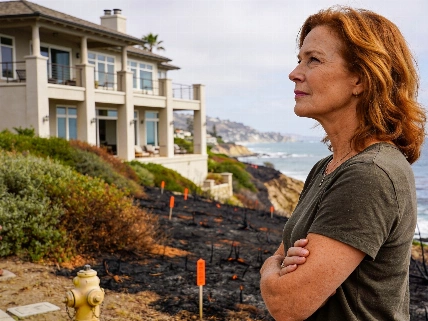

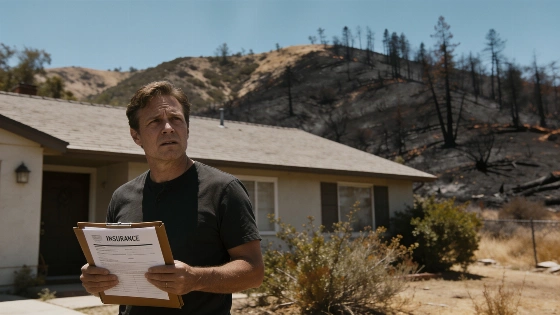
Years of destructive wildfires have shaken California's home insurance market, leaving many homeowners in high-risk zones searching for affordable coverage. Private insurers have scaled back, blaming state rules that restrict how they price wildfire risk. This has fueled a heated debate over how to steady the market. The California Department of Insurance notes that the FAIR Plan-a state-established but privately managed high-risk pool-has become more prominent as private insurers drop renewals or shrink their presence in wildfire-prone areas. The FAIR Plan typically offers narrower fire coverage and often costs more than standard policies. This highlights a gap between what homeowners need and what insurers are willing to provide, given concerns about whether approved premiums can keep up with rising wildfire risk. The FAIR Plan is not a state-run insurer. Kim's proposal would set up a separate public insurance option, not just expand the FAIR Plan CBS News San Francisco.
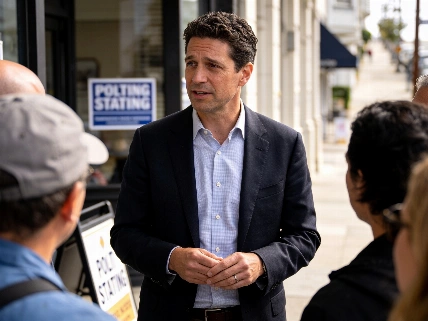
Jane Kim, who became the apparent winner in the state insurance commissioner's race after Ben Allen conceded, is pushing for a major change: a state-run wildfire insurance program. Her plan would have California directly cover wildfire losses, while private insurers would handle other homeowner risks like water damage and routine claims. Kim's campaign calls this "Natural Disaster Insurance for All," describing a public nonprofit funded by premiums, not general tax dollars. The idea is to separate catastrophe risk from regular homeowners insurance, letting private insurers keep covering routine losses while the public program takes on disaster risk. Kim has cited New Zealand's public insurance model as a possible example, though she admits her plan needs more study and new laws before it could launch. She said, "Ideally, it would be one bill that would allow the state of California to open a public nonprofit insurance program, and it would be funded by premiums the same way the private market is," according to the Associated Press CBS News Los Angeles.
Kim's public insurance plan would offer automatic or universal disaster coverage for homeowners, with premiums based on property risk and value, not a flat statewide rate. The proposal includes mandatory participation, private insurers administering policies for a fee, public retention of catastrophe risk, and buying reinsurance. Kim has also discussed using premium reserves for wildfire prevention, home hardening, infrastructure, and mitigation, which could help the program build financial strength in years with fewer losses. There is no enacted law, final actuarial review, approved premium schedule, set capitalization, or launch date for the proposal. NBC Los Angeles reports that the plan is still a legislative idea and not an immediate option for current renewals.
Industry and Consumer Advocates Respond
Kim's plan faces pushback from insurers and some consumer advocates. Industry groups say reforms under outgoing Commissioner Ricardo Lara are starting to steady the market and warn that new mandates could undo recent gains. Denni Ritter of the American Property Casualty Insurance Association said, "Costly new mandates or regulatory actions that drive up costs or limit coverage options risk reversing this progress and worsening the crisis."
Consumer Watchdog founder Harvey Rosenfield voiced hope that Kim could be a stronger advocate for policyholders, saying, "Maybe they'll realize it's a privilege to do business in California." Carmen Balber, executive director of Consumer Watchdog, questioned whether a public insurance model would work, pointing to the California Earthquake Authority's limited uptake due to high costs and restricted coverage. Still, Balber welcomed the idea of a commissioner focused on consumer interests and tougher enforcement. Balber and other advocates have raised doubts about whether a public model would actually deliver affordable coverage if premiums stay high or exclusions remain tight. The Associated Press and ABC7 News have covered these ongoing debates among stakeholders.
Background and Market Pressures
The state's insurance crisis deepened after a string of major wildfires led insurers to drop coverage for thousands of homeowners. Many ended up on the California FAIR Plan, which offers fire-only coverage at higher prices than standard policies. In September 2023, Governor Gavin Newsom issued an executive order launching Lara's Sustainable Insurance Strategy. This aimed to address industry complaints by letting insurers use forward-looking wildfire risk models and factor in reinsurance costs when setting premiums. In exchange, insurers had to offer more coverage in high-risk areas. The reforms included faster rate reviews and recognition of certain reinsurance costs that insurers pay to transfer catastrophic risk. The California Department of Insurance says wildfire conditions are changing quickly and that relying only on past loss data may not capture future risk, especially in areas exposed to climate-driven fires. The reforms try to balance regulatory flexibility with increased market participation, while Kim's proposal would move core wildfire risk into a public nonprofit program.
Despite these changes, consumer advocates say new policy availability still falls short. Rex Frazier, president of the Personal Insurance Federation of California, noted that while new FAIR Plan policies have dropped 27% from 2025 levels, the market is far from fully recovered. He said Kim would need to show lawmakers why her approach would work better than Lara's. Brokers describe Kim's idea as a proposal that would need buy-in from the governor and Legislature, not as an immediate fix for current renewals. Homeowners and insurers remain under the current market and FAIR Plan setup unless lawmakers and regulators pass new laws. For more on how insurance nonrenewals are affecting homeowners in other states, see this earlier report.
Election Results and Next Steps
As of Monday, Kim had 4.8 million votes (53.5%) to Allen's 4.2 million (46.5%), with about 3 million ballots still uncounted. The Secretary of State is expected to certify the results by December 11. Kim, 49, previously served as a San Francisco supervisor and as California political director for Senator Bernie Sanders' 2020 presidential campaign. In a speech to supporters, she stressed the need to make insurance "affordable, available and fair." The Associated Press projected Kim's win on November 8, 2026, after Allen conceded, putting her in line to lead the state agency that regulates insurance. Her victory does not itself create a public wildfire insurer, change current policy contracts, or authorize new statewide premiums. The next steps would require policy design, actuarial and financial review, coordination with the governor and Legislature, and adoption of new laws or regulations. For now, Lara's reforms remain in place, including catastrophe modeling, faster rate reviews, and reinsurance-cost consideration.
The insurance commissioner's office, created by Proposition 103 in 1988, oversees rate approvals for home and auto insurance, investigates complaints, and enforces consumer protections. As Kim prepares to take office, California's approach to wildfire insurance remains unsettled, with industry and consumer groups watching for her next move. Additional reporting and official statements are available from NBC Los Angeles and ABC7 News. For further background, see previous coverage.