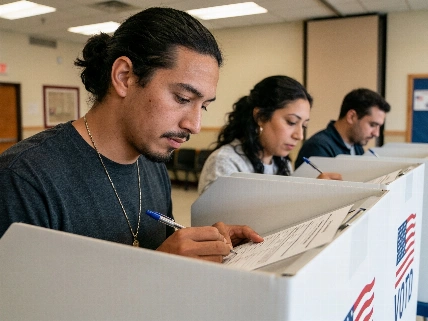
San Mateo County's first round of vote tallies shows Measure E, which would expand rent control and tenant protections in Redwood City, facing a tough road. As of November 3, 2026, the count stood at 6,484 votes against and 4,647 in favor-58.25% of voters rejecting the measure and 41.75% supporting it. The San Mateo County Elections Office pointed out that these numbers do not include ballots received on Election Day. About 90% of ballots are expected to arrive by mail, so the final outcome could shift as more votes are counted. Measure E needed a simple majority to pass and targeted rental units built before February 1, 1995. The reported margin remains provisional, with many vote-by-mail and provisional ballots still uncounted. The Elections Office stated that "because thousands of ballots will still be counted, election night results may differ significantly from the final results." For more details, see Redwood City Pulse.
Measure E aimed to extend rent caps to most rental housing built before February 1, 1995, limiting annual increases to the lower of 5% or 60% of the consumer price index. In San Mateo County, this would set a cap near 2.28%. The measure also proposed expanded just-cause eviction rules and anti-harassment provisions, and required landlords to pay up to $12,000 in relocation assistance. A city-commissioned analysis found the initiative would apply to about 20% of Redwood City's total housing stock. Over 7,000 county-verified signatures were gathered in spring 2026 to qualify the measure for the ballot, after a failed 2024 signature drive due to unregistered signers. The City Council could have adopted the ordinance directly in the summer but declined, with six of seven council members voting against it and sending the measure to voters. The same city analysis estimated that implementing Measure E could cost Redwood City up to $11.1 million each year and require as many as 18 additional full-time employees to handle rent stabilization and enforcement. These projected costs became a central argument for opponents, who warned the measure could strain city finances and impact housing development. Additional reporting is available from the East Bay Times.
San Pablo voters back stricter rent limits
Meanwhile, early results from San Pablo show 58.59% of voters supporting Measure S, which would set stricter rent control on multi-unit buildings and mobile homes built before February 1, 1995. The measure would cap annual rent increases at 3% or 60% of Contra Costa County's inflation rate, whichever is lower, and extend protections to mobile home tenants. Like Measure E, Measure S needed a simple majority to pass. The official ballot language described a ban on rental-rate increases above either 3% or 60% of the Consumer Price Index increase, whichever is lower, and included a process for reviewing requests for higher rent increases, along with restrictions on eviction grounds for covered units. For more on the measure's provisions, see Ballotpedia.
Opposition to Measure E in Redwood City has come from the City Council, which voted 6-0 in July 2026 to oppose the measure and authorized an official ballot argument against it, as well as from local landlords, the California Apartment Association, and the San Mateo County Association of Realtors. They argue the proposed rules could put city finances at risk and reduce housing options. Supporters, including Affordable Redwood City, Faith in Action Bay Area, and local tenants, say the measure would stabilize rents and provide stronger relocation assistance for no-fault evictions.
San Pablo's Measure S has drawn opposition from Mayor Elizabeth Pabon-Alvarado, Vice Mayor Rita Xavier, and the Contra Costa Taxpayers Association. Supporters include Rising Juntos, the Contra Costa County Alliance of Californians for Community Empowerment, and various residents. The campaign reflected a local split between officials and taxpayer-oriented opponents concerned about regulatory and fiscal effects and tenant groups focused on affordability and displacement prevention.
Broader context for California renters
These local measures show the ongoing debates over rent control and tenant protections across California. As reported earlier, cities continue to weigh new approaches to rental regulation and enforcement, with outcomes varying widely by community.