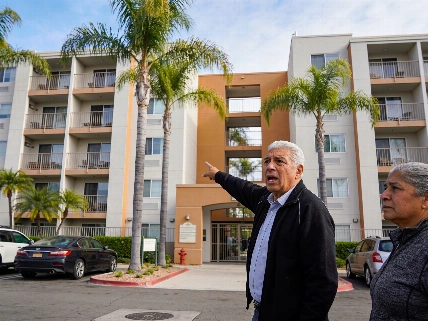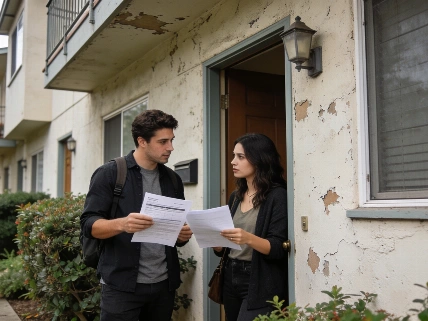

Organized tenant groups and activists in San Pablo, Redwood City, and Salinas have pushed back against major real estate lobbying organizations, centering their local campaigns on rent control measures and tenant protections. During the 2026 election cycle, voters in these cities prepared to decide the outcome of key local measures on November 3, 2026. San Pablo Measure S and Redwood City Measure E were citizen-driven proposals to set up new rent-control systems. Salinas Measure H, on the other hand, would repeal four existing rental ordinances, including rent stabilization, rental registration, anti-harassment protections, and just-cause eviction requirements. These campaigns reflected different local policy starting points: San Pablo and Redwood City considered new rent-control frameworks, while Salinas had already put rent stabilization and related protections in place as of January 1, 2025. The measures surfaced amid disputes over rent hikes, eviction rules, landlord registration, and the influence of large real estate lobbying groups in local ballot politics. At the time of reporting, the contests had not been decided, and no final voter outcomes were available (The Californian).
In San Pablo, activists have promoted Measure S, which would limit annual rent increases for covered multifamily units to 60% of the applicable Consumer Price Index (CPI) change, with a maximum increase of 3%. The measure's rent-rollback reference date would be July 1, 2025. It would combine rent limits with broader tenant protections, including just-cause eviction requirements, relocation assistance, and safeguards against landlord harassment. If voters approve it, San Pablo would need to run the resulting regulatory program, rather than just set an annual cap (Bornstein Law).
Redwood City has seen similar organizing around Measure E, which would bring rent control for the first time if passed. Measure E would cap annual increases for covered units at 60% of the applicable inflation rate, with a maximum increase of 5%. The measure would mainly apply to multifamily buildings built before 1995, covering about 40% of the city’s rental housing. Permissible rents for qualifying existing tenancies would be tied to October 2025 levels, with the rollback date set as October 29, 2025. The proposal also includes a no-fault eviction payment of at least $12,000, and senior or disabled tenants could receive an additional $6,000. Measure E would create new city administrative duties, including rent petitions, registration, compliance procedures, and dispute resolution. Initial administrative fees were listed as $84 or $120 per unit depending on the property category. Opponents claim the measure could strain nonprofit affordable-housing operators and reduce rental supply. Supporters frame it as a response to rent escalation and displacement pressures (M-A Chronicle).
Meanwhile, in Salinas, tenant groups have urged residents to vote against Measure H, which would repeal the city’s rent stabilization and three additional tenant ordinances. Salinas’s rent-stabilization policy, in effect since January 1, 2025, limits qualifying rent increases to once per year. The allowable local increase is recalculated monthly at 75% of the change in the CPI, with a maximum increase of 2.75%. If Measure H passes, these local protections would be removed, leaving many covered rentals mainly subject to California’s Tenant Protection Act of 2019. That law generally caps annual increases at 5% plus the cost-of-living change, with a 10% maximum. The reported state-law allowable increase for Salinas starting August 1, 2026 was 8.6%. The campaign for Measure H followed a referendum effort by Protect Salinas Renters earlier in 2026, after the Salinas City Council voted to remove the local ordinances. The referendum process blocked their repeal from taking effect and sent the question to voters. A "yes" vote on Measure H would repeal the ordinances, while a "no" vote would keep them in place. Jacob Sandoval of Protect Salinas Renters said, "the only thing that Measure H does is repeal four rental ordinances." Renter advocate Gonzalez stated, "The main thing I would like people to know is that Measure H does one thing: it takes away renter protections and rent stabilization" (The Californian).
Lobbying Efforts and Community Response
Tenant advocates argue that rent control is the most effective tool available to protect vulnerable residents, including seniors on fixed incomes and working families, from what they describe as predatory business practices by large real estate interests. The campaigns have highlighted the financial pressures renters face and the role of corporate landlords in shaping local housing markets. Activists see the outcome of these local efforts as potentially significant for the broader housing justice movement in the United States.
For further details, Housing Is A Human Right has published additional reporting on the campaigns and the positions of the involved organizations. Additional background and measure specifics are available from Bornstein Law and the M-A Chronicle voter guide.
For original coverage, see California Tenants Head Into Final Stretch to Take Down Big Real Estate and Establish Rent Control.