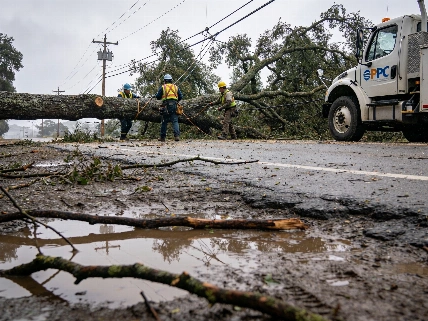

When hurricanes hit Florida or wildfires burn through California, the financial impact spreads beyond those states. Homeowners in places like Ohio or Colorado often see their insurance bills climb as insurers distribute the cost of major losses across the risk pool.
Insurance companies base premiums on projected future losses, not just past claims. Each season of destructive weather feeds into these calculations, and the impact reaches homeowners through several channels. The cost of reinsurance and the availability of private coverage, along with changes in policy terms and gaps in flood protection, all influence what households pay.
Reinsurance and the ripple effect of catastrophe losses
Insurers shield themselves from huge losses by buying reinsurance, which is insurance for insurance companies. When storms and wildfires lead to large payouts, reinsurers raise their prices. This extra cost shows up in the premiums homeowners pay after insurers file new rates with state regulators. Because reinsurance is global, a costly U.S. hurricane season can push up rates even in areas untouched by disaster.
Most property catastrophe reinsurance treaties renew at the start of the year, while Florida insurers usually renew in June. Insurers facing higher reinsurance costs must either pay more for the same protection or take on more risk themselves. Both options can drive up costs for policyholders.
Florida's insurance market under strain
Florida has some of the highest home insurance costs in the country, a problem that worsened when several insurers went insolvent in 2022. Hurricane Ian, which made landfall as a Category 4 storm that September, added more pressure. As private insurers failed, many homeowners turned to Citizens Property Insurance Corporation, the state's insurer of last resort. This shift reduces competition and leaves households with fewer choices, especially if private companies are slow to return.
According to a notice from Santa Rosa County, Florida, residents who experience property damage or losses are advised to file a claim with their insurance provider before seeking federal disaster assistance. This process is standard after major disasters and reflects the order of claims and aid for affected homeowners.
Wildfire risk narrows choices in California
In California, wildfire risk has led major insurers to limit new business. State Farm announced in May 2023 that it would stop accepting new homeowners applications in the state. This move does not raise prices for existing customers but makes it harder for new buyers to get coverage from large carriers. When private options run out, homeowners may have to rely on the California FAIR Plan, the state's insurer of last resort.
Wildfires have reached densely populated areas, including the Palisades and Eaton fires in Los Angeles in January 2025. Large-scale events like these generate claims across many homes at once, making wildfire a significant catastrophe risk for insurers and further restricting the availability of private coverage.
Hail, roof claims, and shifting deductibles
Severe convective storms-hail and damaging winds-cause extensive roof damage, especially in states like Texas and Colorado. Many insurers now use separate wind and hail deductibles based on a percentage of a home's insured value. This means owners of higher-value homes pay more out of pocket before coverage begins. Some policies also settle roof claims at actual cash value, factoring in depreciation, which can leave homeowners with a larger share of replacement costs. Discounts for impact-resistant roofing are available in some states, but terms vary by insurer.
Flood insurance gaps and new federal pricing
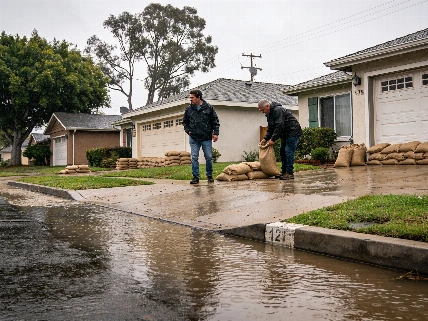
Standard homeowners policies exclude flood damage, so separate coverage is required. Most flood insurance is provided through the National Flood Insurance Program (NFIP), managed by FEMA. Federal law mandates flood insurance for homes in high-risk zones with federally backed mortgages, but many owners outside these areas go without coverage. The Maryland Insurance Administration has advised that flooding can occur anywhere it rains, and residents are encouraged to consider flood insurance even if they are not in a designated high-risk zone.
FEMA introduced Risk Rating 2.0 in October 2021, changing how NFIP premiums are set. Instead of relying solely on flood-zone maps, the new system prices each property by its individual risk factors, such as distance to water and rebuilding costs. Some policyholders have seen premiums decrease, while others face increases phased in over time. This approach ties flood insurance costs more closely to a home's specific exposure.
For a broader look at how climate disasters are reshaping homeownership risk, see this earlier breakdown.