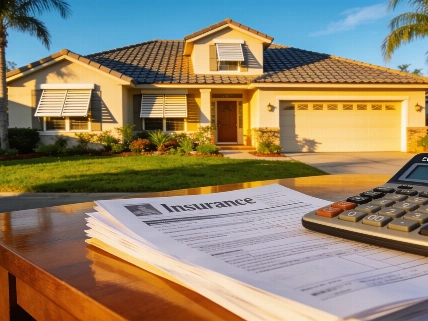

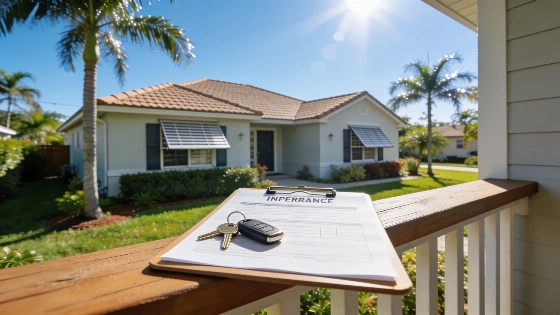
Homeowners in Florida now pay an average of $8,471 a year for $300,000 in dwelling coverage, a figure that stands well above any other state and keeps many residents looking for relief. Even as the market steadies and new insurers arrive, the financial strain on policyholders remains heavy, according to Insurance.com and the Insurance Information Institute.
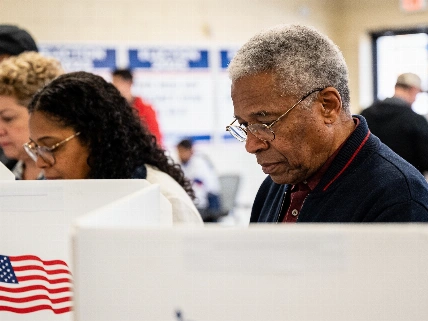
Governor-elect Byron Donalds steps in as Florida's insurance market shows some recovery, but affordability remains out of reach for many. A July survey from the Public Opinion Research Lab at the University of North Florida showed 63 percent of Floridians named insurance costs as their top worry, while 36 percent pointed to property taxes. Voters approved Amendment 3 to address property tax relief, but insurance premiums have yet to see similar movement.
Market Stabilization and Ongoing Strain
Florida's insurance sector has weathered years of instability. Insurers pulled out, coverage options shrank, and Citizens-the state's insurer of last resort-grew to 1.4 million policies in 2023. Legislative tort reforms in 2022 and 2023, designed to limit excessive litigation and fraud, have steadied the market and drawn more than 20 new property insurers since 2023. Citizens' policy count dropped to 216,447 as of October 31, showing a successful depopulation push. Still, most homeowners have not seen premiums fall so.
Premiums in Florida are nearly $3,000 higher than in Nebraska, the next most expensive state. The Coalition for an Insurable Future reported a 75 percent jump in Florida homeowners' insurance premiums between 2021 and 2025, almost double the national average. Higher reinsurance and rebuilding costs, along with Florida's risk from natural disasters, keep prices elevated.
Regulatory Actions and Insurer Profitability
On November 19, 2026, Florida Insurance Commissioner Mike Yaworsky said that more than $122.6 million in excess profits from three auto insurers-Cimarron Insurance, Inc., Liberty Mutual Personal Insurance Company, and Security National Insurance Company-would go back to policyholders through refunds or renewal credits within 60 days. These refunds, covering calendar and accident years 2023, 2024, and 2025, pushed the year's total excess-profit policyholder returns above $168 million. Florida Chief Financial Officer Blaise Ingoglia said, "Once again, Florida's insurance carriers are able to return money to the policyholders, demonstrating that Florida's historic tort reforms are working for their intended purpose to strengthen Florida's insurance market." While this action involves auto insurance, state officials have used these developments to argue that recent tort reforms have improved insurer profitability and market conditions.
Donalds' Approach and Policy Proposals
Byron Donalds has promised to build on reforms started under Governor Ron DeSantis, focusing on keeping litigation reforms in place, restructuring the Florida Catastrophe Fund, and making mitigation grants more effective at lowering premiums. His "Bring Down the Bill" plan calls for a 20 percent cut in insurance premiums, but he has not set a timeline. Donalds also wants a public insurer scorecard to help homeowners compare companies on price, claim denials, and payment speed, and aims to keep Citizens' policy count low to avoid broad hurricane assessments on Floridians.
Critics, including Birny Birnbaum of the Center for Economic Justice, say Donalds' focus on existing reforms ignores the effect of financial arrangements between insurers and their affiliates. A state-commissioned analysis found that, from 2017 to 2019, insurers reported $432 million in aggregate losses while affiliates posted $1.3 billion in net income. Regulators and insurers disputed the findings, and the analysis did not show unlawful conduct or direct causation for higher premiums, but the issue has led to calls for tighter oversight of affiliate payments.
Reinsurance and Citizens' Role
Donalds has voiced support for reducing policyholder surcharges when the Catastrophe Fund is well-capitalized and letting insurers pool reinsurance purchases to cut costs. Birnbaum argues that Florida's public reinsurance system has saved policyholders money, but the dominance of single-state insurers increases demand for reinsurance and gives reinsurers leverage to set high prices. The state's plan to shrink Citizens' policy count requires homeowners to accept private coverage if offered at no more than 20 percent above their Citizens rate, but some consumer advocates warn this can push policyholders into less stable or pricier options.
For Floridians, the insurance affordability crisis continues. The market has steadied and new insurers have entered, but the state still leads the nation in home insurance costs. As Donalds prepares to take office, the impact of his proposed reforms will be judged by whether they bring real savings for homeowners. For more on how rising insurance costs are affecting household budgets in Florida, see this recent report.